Tag Archives: Rotary Drum Granulation Production Line

What Equipment Is Needed Around a Rotary Drum Granulation Production Line for High-Capacity NPK Production?

Plant owners and project investors often evaluate rotary drum granulation production line before they plan a fertilizer processing plant. phosphate rock, limestone, dolomite, potassium feldspar move through ball mill, pan granulator, rotary dryer in a complete fertilizer granulation line. When you select this equipment, you review capacity, material condition, and plant layout. This evaluation helps you control investment and keep production stable.
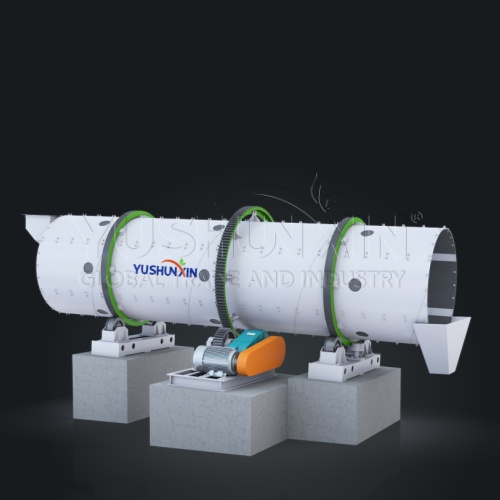
rotary drum granulation production line

rotary drum granulation production line

How does a rotary drum granulation production line system support phosphate rock processing?

A rotary drum granulation production line system supports phosphate rock processing by connecting the main machine with feeding, mixing, and screening. You can prepare phosphate rock, limestone, dolomite, potassium feldspar before the machine starts. A ball mill and a pan granulator help control material flow, while a rotary dryer protects product quality. This layout keeps the fertilizer processing plant stable and reduces manual transfer. You can also compare this process with standard fertilizer manufacturing system principles when you design the line. This preparation improves the fertilizer equipment and keeps the fertilizer machinery balanced. This setup also simplifies maintenance and reduces unexpected stops.

Why does a rotary drum granulation production line machine suit continuous fertilizer production?

A rotary drum granulation production line machine suits continuous fertilizer production because it handles phosphate rock, limestone, dolomite, potassium feldspar in a steady flow. You can arrange the equipment so the material moves from intake to packing without long stops. The ball mill feeds the next stage at a stable rate, and the pan granulator forms the product into a uniform shape. This coordination reduces bottlenecks and keeps the fertilizer granulation line efficient. You can also add a rotary dryer to return off-size material for rework, which lowers waste and improves product consistency. The steady output supports daily packing and dispatch targets.

Which mineral fertilizer granulation technology factors should you review before selection?

mineral fertilizer granulation technology helps you choose the right equipment for phosphate rock, limestone, dolomite, potassium feldspar. You can review moisture, particle size, capacity, and plant space before you order. A clear process flow reduces transfer points and protects the fertilizer machinery. This comparison also helps you balance fertilizer equipment with long-term operating cost. You can then match the selected machine to the fertilizer manufacturing system and keep the fertilizer processing plant running smoothly. This review helps you avoid buying oversized or undersized fertilizer machinery.

How can producers compare mineral fertilizer standards for this fertilizer manufacturing process?

You can compare the general process described under mineral fertilizer when you set the product standard and material specification. This reference helps you understand why moisture and particle size matter for phosphate rock, limestone, dolomite, potassium feldspar. You can also adjust the ball mill and the pan granulator according to the target output. This control supports the fertilizer granulation line and keeps the fertilizer processing plant consistent during peak production. This preparation also supports repeat product quality across production batches.

To summarize, what equipment is needed around a rotary drum granulation production line for high-capacity npk production depends on material condition, equipment scope, and production capacity. You can match each machine to the required output and product form. A reliable mineral fertilizer equipment manufacturer can supply the complete fertilizer manufacturing system. Yushunxin provides this fertilizer production equipment. If you have interests, you can learn more about https://www.mineralfertilizerproductionsolutions.com/product/rotary-drum-fertilizer-granulator

Cow Dung Rotary Drum Granulation Production Line

Cow dung rotary drum granulation production line is a modern technology that uses cow dung as a raw material to produce high-quality organic fertilizer. This production line is designed to efficiently convert cow dung into granular fertilizer, which has many benefits over traditional forms of fertilizer.

Design and Configuration of the Production Line

The cow dung rotary drum granulation production line consists of several components, including a cow dung dewatering machine, cow dung fermentation tank, fertilizer mixer, granulator, dryer, cooler, screening machine, and packaging machine. Each of these machines is designed to perform a specific task in the production process, and they work together seamlessly to produce high-quality fertilizer.

Dewatering and Fermentation

The first step in the production process is dewatering the cow dung. The cow dung dewatering machine is used to remove the excess water from the cow dung, which reduces the moisture content and makes it easier to handle. After dewatering, the cow dung is transferred to the fermentation tank, where it is mixed with other organic materials like straw, manure, and sawdust. This mixture is left to ferment for a period of time, during which microorganisms break down the organic matter and convert it into nutrient-rich fertilizer.

Mixing and Granulation

Once the fermentation process is complete, the fertilizer mixer is used to blend the fermented cow dung with other essential nutrients like nitrogen, phosphorus, and potassium. This mixture is then fed into the granulator, where it is formed into small, round granules. The granulator uses a rotating drum to create a rolling motion that helps to agglomerate the fertilizer particles and form them into granules.

Drying and Cooling

After granulation, the fertilizer is transferred to the dryer, where it is dried to remove any excess moisture. The dryer uses hot air to evaporate the water from the fertilizer, leaving it dry and ready for packaging. Once the fertilizer is dried, it is transferred to the cooler, where it is cooled to room temperature. The cooler uses ambient air to cool the fertilizer, which helps to prevent the granules from sticking together.

Screening and Packaging

The final step in the production process is screening and packaging. The screening machine is used to separate the fertilizer granules into different sizes, which allows for more precise application of the fertilizer. The granules are then transferred to the packaging machine, where they are packaged into bags or containers for storage and transport.

Benefits of Cow Dung Rotary Drum Granulation Production Line

There are many benefits to using the cow dung rotary drum granulation production line to produce organic fertilizer. First and foremost, this production line is environmentally friendly, as it uses cow dung and other organic materials to create fertilizer, which reduces the need for chemical fertilizers that can harm the environment. Additionally, the fertilizer produced by this production line is high-quality and nutrient-rich, which makes it more effective than traditional forms of fertilizer. Furthermore, the granular form of the fertilizer makes it easier to handle and apply, which can save time and reduce labor costs.

drum granulator production plant for cow dung manure

drum granulator production plant for cow dung manure

Conclusion

The cow dung rotary drum granulation production line is a modern technology that has many benefits over traditional forms of fertilizer production. By using cow dung and other organic materials to create high-quality fertilizer, this production line helps to protect the environment while also providing farmers with a more effective and efficient way to fertilize their crops. With its many benefits, the cow dung rotary drum granulation production line is sure to become an important tool for farmers around the world.