Monthly Archives: August 2025

Важные моменты при использовании оборудования для производства гранулированного органического удобрения из коровьего навоза — ключ к безопасному и эффективному производству

В последние годы, с развитием органического земледелия, производство гранулированного органического удобрения из коровьего навоза становится важной частью деятельности многих животноводческих ферм и заводов по производству органических удобрений. Основное оборудование для производства (такие как компостирующие машины, дробилки, грануляторы, сушилки, охладители, сортировочные и упаковочные машины и др.) требует правильного обращения. Нарушение правил эксплуатации может привести не только к снижению качества продукции и производительности, но и к аварийным ситуациям и износу техники. В этой статье мы подробно рассмотрим основные моменты, на которые следует обращать внимание при использовании оборудования для производства гранулированного удобрения из коровьего навоза, чтобы вы могли безопасно и эффективно организовать работу и продлить срок службы техники.
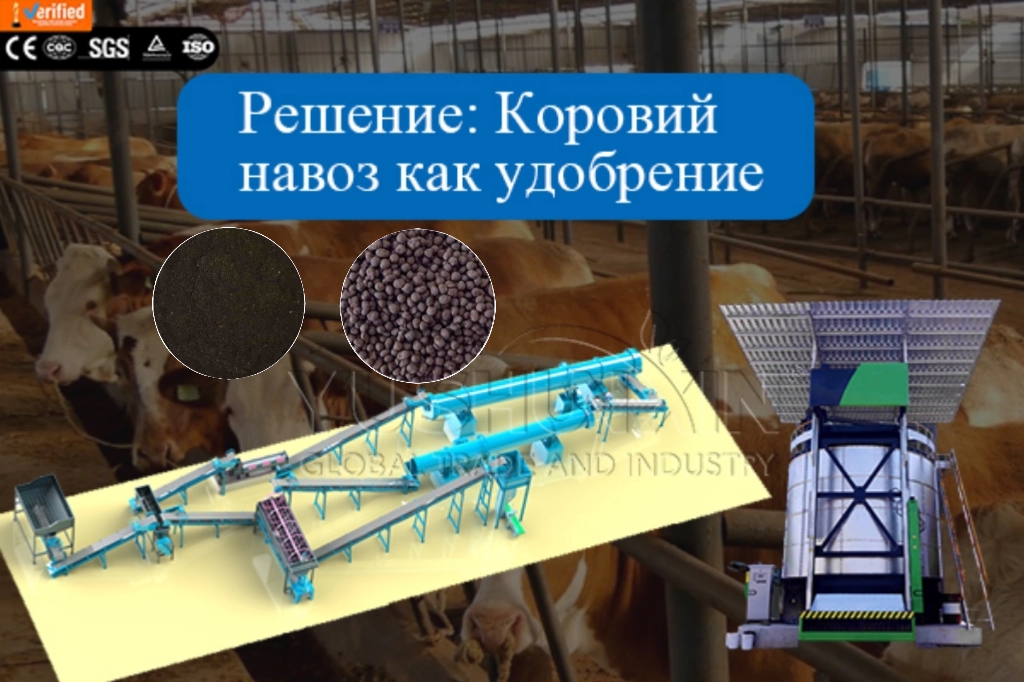
Решение-Коровий-навоз-как-удобрение

Решение-Коровий-навоз-как-удобрение

Подготовка перед установкой оборудования

1. Ровная и прочная площадка
Оборудование должно устанавливаться на ровной и плотной поверхности, чтобы избежать вибрации и проседания во время работы, что может привести к повреждению или аварии.

2. Проверка электропроводки
Все силовое оборудование должно быть заземлено и оснащено устройствами защитного отключения, электроснабжение должно быть стабильным, чтобы избежать выхода из строя двигателей при скачках напряжения.

3. Осмотр оборудования
Перед запуском нужно убедиться, что все детали соединены надежно, смазочные материалы в норме, нет ослаблений или посторонних предметов.

Важные моменты при эксплуатации оборудования

1. Соблюдение инструкции по эксплуатации
Строго следуйте инструкции производителя и эксплуатационным правилам. Не допускается работа на оборудовании не обученного персонала, чтобы избежать поломок из-за ошибок.

2. Подготовка сырья
Перед подачей навоз и добавки необходимо предварительно обработать (измельчить, очистить от посторонних предметов, отрегулировать влажность и т.д.), чтобы не допустить попадания крупных твердых предметов, которые могут повредить ножи или засорить приемное отверстие.

3. Равномерная подача
На всех этапах — измельчение, перемешивание, гранулирование, сушка, охлаждение — важно обеспечивать равномерную и непрерывную подачу сырья, чтобы избежать “забивки” оборудования или работы вхолостую.

4. Контроль температуры и давления при гранулировании
Во время работы гранулятора внимательно следите за температурой, давлением и скоростью вращения, чтобы не допустить перегрева или избыточного давления, приводящего к поломке матрицы и ухудшению качества гранул.

5. Контроль температуры сушки
Температура в сушильном оборудовании не должна быть слишком высокой (обычно ≤70℃), чтобы не разрушить питательные вещества и не привести к слипанию гранул.

6. Сортировка и упаковка
Сито сортировочной машины следует регулярно чистить, чтобы избежать засорения и ухудшения качества сортировки; в автоматическую упаковочную машину вовремя добавлять расходные материалы, чтобы избежать пустых или неполных упаковок.

Основные моменты технического обслуживания

1. Регулярная очистка
После окончания работы каждый день необходимо тщательно очищать оборудование, особенно гранулятор, сушилки и транспортеры, где часто накапливается сырье.

2. Смазка
Регулярно смазывайте подшипники, шестерни, двигатели и другие подвижные части, чтобы уменьшить износ и продлить срок службы.

3. Контроль состояния основных деталей
Регулярно проверяйте состояние ножей, матриц, ремней, цепей и других быстроизнашивающихся частей, при необходимости своевременно заменяйте.

4. Обслуживание электросистемы
Периодически проверяйте электрощиты, кнопки, проводку, чтобы избежать сбоев из-за окисления или износа контактов, а также коротких замыканий.

5. Защита от коррозии
Коровий навоз содержит много влаги и агрессивных веществ, рекомендуется регулярно мыть, просушивать и покрывать оборудование антикоррозионным маслом, чтобы предотвратить ржавчину и коррозию.
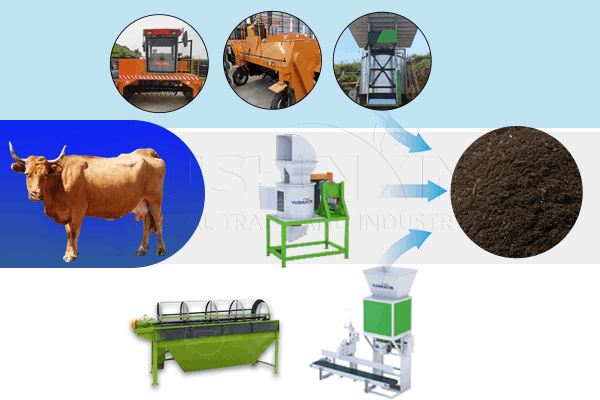
Оборудование-для-производства-органических-удобрений-из-коровьего-навоза

Особые требования по безопасности

1. Запрещено работать с неисправным оборудованием
Если замечены посторонние звуки, перегрев, запахи и другие неполадки, немедленно остановите работу и проведите ремонт.

2. Не приближаться к движущимся частям в перчатках или с одеждой
Иначе существует риск затягивания одежды в механизм с последующей травмой.

3. Пожаробезопасность
Запрещается курение и открытый огонь возле оборудования, особенно в зонах сушки и измельчения, чтобы предотвратить воспламенение пыли.

4. Запасные части
Имейте в наличии запас ножей, сит, ремней и других элементов для быстрой замены и сокращения простоев.

Учёт оборудования и обучение персонала

1. Ведение учёта
На каждую машину должен быть журнал учета технических обслуживаний и ремонтов, который поможет отслеживать состояние техники и выявлять возможные риски заранее.

2. Регулярное обучение
Проводите регулярное обучение персонала по технике безопасности и эксплуатации оборудования, чтобы повысить профессиональный уровень работников и минимизировать аварии.

Правильное использование и обслуживание оборудования для производства гранулированного органического удобрения на основе коровьего навоза — залог качества продукции, безопасности и прибыли предприятия. Только внимание к деталям, соблюдение норм и научный подход к управлению техникой обеспечит долгую и эффективную работу оборудования, а вашему предприятию — устойчивое развитие. Надеемся, что эти советы окажутся полезными для вашей практики, и будем рады вашим комментариям и обмену опытом! Более подробную информацию можно найти на сайте:https://www.liniyaudobreniy.com/resheniye-koroviy-navoz-kak-odobreniye/

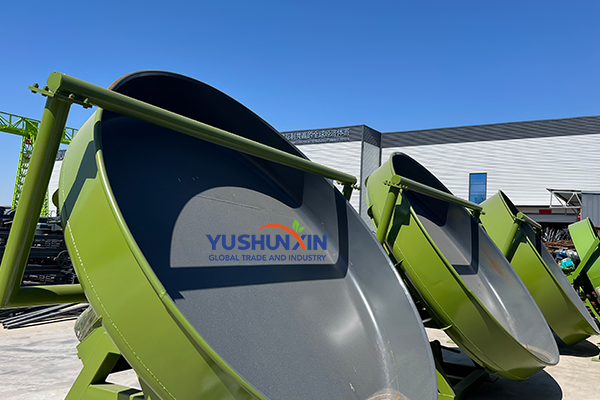
 

How Can Pan Granulating Machines Improve Rock Fertilizer Manufacturing?

The complex procedures of mineral fertilizer processing require advanced equipment and accurate granulation technology. Rock, ore, and mineral-based fertilizers often demand special machinery for crushing, mixing, granulating, and screening. Among these technologies, pan granulators, also called disc granulation machines, play a central role in improving efficiency, consistency, and product quality. When manufacturers in the fertilizer industry understand the relationship between raw material characteristics and granulation equipment, they gain better control over production outcomes, cost, and sustainability.


What Raw Mineral Materials Suit Pan Granulation in Fertilizer Production?

Rock phosphate, dolomite, limestone, bentonite clay, and mine wastes represent the major raw materials in mineral fertilizer manufacturing.

  • Rock phosphate fertilizer production requires strong preparation because particles must break down under controlled conditions before final granulation. A disc pelletizer shapes these fine powders into uniform granules that improve handling and storage.
  • Limestone fertilizer production solutions depend on fine crushing and careful particle size control. Pan granulating machines provide round ball making for better spreading during later blending processes.
  • Bentonite and mine waste management benefit when granulators transform dusty residues into spherical particles. This approach reduces waste accumulation and supports environmental compliance in mineral organic fertilizer production lines.

Every raw material type demands specific fertilizer processing machinery. For instance, a jaw rock crusher or an ore fertilizer crusher machine creates the fine powders, while a Raymond mill refines the mineral particles before the pan granulation stage. Once the raw material enters the disc pelletizer, controlled moisture and rotational angles create consistent pellets ready for downstream screening.

Disc Pelletizer for Rock Fertilizer Making

Disc Pelletizer for Rock Fertilizer Making


How Do Disc Pelletizers Improve Mineral Fertilizer Manufacturing Results?

Manufacturers operating in the mining and fertilizer industries understand that granule uniformity is decisive. Mineral fertilizers often contain hard ore particles, and uneven size distribution leads to difficult blending in NPK fertilizer production or bulk fertilizer blending plants. A pan granulation machine addresses these issues by offering:

  • Adjustable angle design to regulate pellet size in a precise range.
  • Strong structural components that handle dense mineral particles like crushed phosphate rock or iron-rich mine residues.
  • Efficient moisture spraying systems that enhance adhesion of mineral powders during the ball making process.

Unlike other granulation procedures, pan granulators allow continuous observation during particle forming. Manufacturers can adjust water quantity, powder feed rate, and disk rotation speed to ensure every ore-based fertilizer granule matches the required standards. As a result, mineral fertilizer manufacturing plants reach higher production efficiency, reduced dust, and improved product storage stability.


Why Must Mineral Fertilizer Plants Integrate Multiple Machines in the Granulation Process?

A rock fertilizer production line does not only require disc granulators. Each plant needs a combination of crushing, granulating, and screening equipment to achieve stable results. An ore crusher prepares the mine material by reducing particle size. A disc pelletizer makes uniform granules fit for packaging. A rotary screening machine sorts the final product into qualified mineral pellet sizes, while oversized or undersized material returns to the preparation stage.

This closed-loop system creates consistent quality while reducing waste. For example, in the manufacturing of NPK fertilizer using mined phosphate and potassium ore, the crushing machine provides fine powders, the pan pelletizer granulates them into balanced granules, and the screening machine ensures only accurate particles move toward packaging. In mineral organic fertilizer production lines, the same equipment arrangement guarantees smooth integration of mineral ore powder with organic matter before disc granulation.


How Can Professional Equipment Suppliers Support Long-Term Rock Fertilizer Granulation?

Fertilizer manufacturing plants that rely on mineral ores or mined rocks must continuously upgrade granulation machines to maintain stable yields. The selection of professional equipment suppliers determines whether a plant can handle complex raw materials, optimize production lines, and ensure high utilization of mineral resources. A reliable pan pelletizer ensures long-term performance, but additional support in crushing, screening, and dust control guarantees complete fertilizer production solutions.

A professional fertilizer equipment manufacturer—Yushunxin—provides advanced disc granulators, ore fertilizer crusher machines, and screening equipment suitable for rock phosphate fertilizer production, limestone fertilizer processing solutions, and mineral organic fertilizer plants. With strong technical expertise in granule making and comprehensive mineral resource utilization, Yushunxin delivers machinery that supports efficient production, environmental compliance, and competitive market performance.


Conclusion

The application of pan granulating machines transforms mineral fertilizer procedures by improving granule quality, reducing dust, and enhancing efficiency. Rock, mineral, and ore-based raw materials require careful preparation, and only a complete line of crushers, disc granulators, and screening equipment can ensure consistent results. Manufacturers in the mineral fertilizer industry achieve stronger competitiveness when they adopt reliable machinery from professional suppliers and apply modern pelletizing solutions to challenging raw materials. You can visit: https://www.mineralfertilizerproductionsolutions.com/product/disc-granulator-machine/

Решение по дисковому гранулированию: эффективный и гибкий выбор для производства гранулированных удобрений

В современном производстве минеральных и химических удобрений гранулированная продукция становится рыночным стандартом благодаря удобству хранения, транспортировки и применения. Среди различных технологий гранулирования дисковое гранулирование широко используется в производстве комплексных NPK-удобрений, органических удобрений, минеральных порошков и других гранулированных продуктов из-за своей простой конструкции, высокой адаптивности и равномерности гранул. В этой статье мы подробно рассмотрим основные принципы, комплектацию оборудования, технологический процесс и ключевые преимущества дискового гранулирования, чтобы помочь предприятиям выбрать эффективное и экологичное решение для производства гранул.

Гранулятор дисковый для продажи

Гранулятор дисковый для продажи

Обзор технологии дискового гранулирования

Дисковый гранулятор (или грануляционный диск) — это оборудование, в котором за счет центробежной силы и силы тяжести вращающегося диска влажный материал непрерывно перекатывается и скатывается в однородные гранулы. Основные компоненты — грануляционный диск, регулирующее устройство наклона, приводная система и система распыления жидкости.

**Принцип работы:**
Смесь порошкообразного сырья и необходимого количества жидкости (воды, раствора, связующего и т.д.) равномерно подается в вращающийся диск. Под действием центробежной силы и собственного веса частицы материала поднимаются и падают, многократно перекатываясь, в процессе чего мелкие гранулы постепенно слипаются в крупные. Регулируя угол наклона диска, скорость вращения и количество подаваемой жидкости, можно получать гранулы нужного диаметра и однородности.

Комплектация производственной линии дискового гранулирования

Стандартная производственная линия с дисковым гранулятором обычно включает следующие основные узлы:

1. **Устройство для смешивания сырья:** обеспечивает равномерное распределение питательных веществ.
2. **Подающий конвейер:** подает смешанный материал в дисковый гранулятор.
3. **Дисковый гранулятор:** основное оборудование для процесса гранулирования.
4. **Сушилка:** сушит гранулы, повышая их прочность и устойчивость при хранении.
5. **Охладитель:** снижает температуру гранул, предотвращая слеживание.
6. **Сито:** отделяет стандартные гранулы от некондиционных, которые возвращаются в процесс.
7. **Оболочечная машина (опционально):** придаёт гранулам блеск и улучшает антислипаемость.
8. **Автоматическая упаковка:** обеспечивает фасовку, дозирование и запайку продукции.

Дисковый гранулятор + барабанный гранулятор

Дисковый гранулятор + барабанный гранулятор

Преимущества дискового гранулирования

1. **Простота конструкции, низкие инвестиции**
Гранулятор компактен, прост в установке и обслуживании, не требует больших площадей и отличается невысокой стоимостью.
2. **Регулируемый размер гранул, высокая адаптивность**
Путём изменения параметров можно получать гранулы диаметром 2-10 мм для разных нужд рынка.
3. **Равномерность гранул, привлекательный внешний вид**
За счет постоянного перекатывания гранулы получаются гладкими и одинаковыми по размеру, удобны для упаковки и продажи.
4. **Низкое энергопотребление, стабильная работа**
Оборудование отличается низким потреблением электроэнергии, стабильностью и простотой эксплуатации, подходит для массового производства.
5. **Широкий спектр применения**
Используется не только для NPK-удобрений и органических удобрений, но и для грануляции минеральных порошков, кормов, катализаторов и др.

Области применения дискового гранулирования

– **Комплексные удобрения, смешанные удобрения, удобрения с контролируемым высвобождением**
– **Органические и биоорганические удобрения**
– **Гранулирование минеральных порошков (бентонит, известняк, уголь и др.)**
– **Гранулы для экологических технологий (микробные носители и др.)**
– **Кормовые добавки и другие гранулированные продукты**

Экологичность и автоматизация

С учетом ужесточения экологических требований и роста интереса к цифровизации, современные линии дискового гранулирования могут быть оснащены системами обеспыливания, интеллектуальным управлением подачей воды и сырья, онлайн-контролем размера гранул и другими автоматизированными и экологичными решениями для устойчивого и эффективного производства.

Технология дискового гранулирования благодаря своей надежности, гибкости и универсальности становится одним из лучших решений для производства гранулированных удобрений. Независимо от того, модернизируете ли вы небольшое производство или строите крупный завод, дисковое гранулирование обеспечит высокоэффективный, экономичный и экологичный процесс. Если вы заинтересованы в производстве гранулированных удобрений или хотите узнать больше технических деталей — свяжитесь с нами, и мы предложим индивидуальное решение для вашего предприятия! Более подробную информацию можно найти на сайте:https://www.sxmashina.com/liniya-po-proizvodstvu-diskovoy-granulyatsii/

How to Set Up A Cow Dung Bio Fertilizer Manufacturing Plant?

In the world of sustainable agriculture, converting waste into valuable resources is more important than ever. As a leading manufacturer of fertilizer equipment, we are committed to providing innovative solutions that not only support eco-friendly practices but also enhance agricultural productivity. Today, we delve into the transformation of cow dung into high-quality biofertilizer—a promising venture that benefits both the environment and farmers alike.

Why Cow Dung?

Cow dung is a rich source of organic matter and nutrients such as nitrogen, phosphorus, and potassium, making it an excellent raw material for biofertilizer production. Utilizing cow dung not only helps in managing farm waste effectively but also contributes to sustainable agriculture by reducing the dependency on chemical fertilizers.

The Biofertilizer Production Line: A Step-by-Step Overview

1.  Collection and Storage : The process begins with the collection of fresh cow dung. It is crucial to have a proper storage system to prevent nutrient loss and odor issues.

2.  Mixing and Conditioning : The collected dung is mixed with other organic materials like straw or green waste. This step enhances the carbon-to-nitrogen ratio, essential for the composting process.

3.  Composting : The mixture is then subjected to aerobic composting. Our advanced compost turners ensure efficient aeration and temperature regulation, speeding up the decomposition process to produce a nutrient-rich compost.

4.  Crushing and Screening : Once the composting process is complete, the material is crushed and screened to achieve a uniform texture, ensuring that it is ready for granulation.

5.  Granulation : Our state-of-the-art fertilizer granulators convert the compost into uniform pellets, making it easy to package, transport, and apply in fields.

6.  Drying and Cooling : The granules are then dried to eliminate excess moisture and cooled to stabilize their structure, enhancing their shelf life and effectiveness.

7.  Packaging : Finally, the biofertilizer is packed using our high-precision packaging machines, ready to be distributed to farmers seeking sustainable and effective fertilizer options.

Как-приготовить-удобрение-из-коровьего-навоза

cow dung bio fertilizer production line

Why Choose Our Cow Dung Biofertilizer Production Equipment?

YUSHUNXIN’s fertilizer production line is designed with efficiency, sustainability, and user-friendliness in mind. Here’s what sets our equipment apart:

–  Durability : Built with high-quality materials, our machines are designed to withstand the rigors of continuous operation.
–  Efficiency : Advanced technology ensures minimal energy consumption while maximizing output.
–  Customization : We offer tailored solutions to meet the specific needs of your operation.
– Support : From installation to maintenance, our dedicated support team is here to ensure your production line operates smoothly. Click here to get more! 

Conclusion

Investing in a cow dung biofertilizer production line is not only a step towards sustainable farming but also a profitable business opportunity. By choosing our comprehensive and state-of-the-art equipment, you’re ensuring a future where agriculture thrives on innovation and sustainability.

For more information on our products and how they can transform your agricultural operations, please feel free to contact us. Together, let’s turn waste into wealth and pave the way for a greener tomorrow. Welcome to visit : https://www.biofertilizerproduction.com/product/cow-dung-biofertilizer-making-line/

What Are the Challenges in Drying Pomace for Fertilizer Manufacture and How to Overcome Them?

Pomace, the byproduct of fruit or vegetable juice extraction, has become an increasingly important resource in the production of organic fertilizer. However, transforming this high-moisture organic residue into suitable fertilizer granules or pellets presents a series of technical challenges for processing facilities. Many industries, including fruit processing, winemaking, and vegetable juicing, generate large amounts of pomace such as apple pomace, grape pomace, citrus pomace, and beet pulp. These materials often have moisture contents exceeding 85-90%, which creates significant obstacles for subsequent composting, granulating, and pelletizing processes.

What Are the Main Raw Materials for Pomace Fertilizer Production and Their Industrial Applications?

Different sectors utilize unique types of organic waste for fertilizer manufacturing. Fruit processing plants often generate apple, pear, and citrus pomace, while wineries focus on grape pomace. Beet pulp and tomato pomace frequently arise from vegetable processing operations. Each type of pomace carries specific nutrient profiles and structural properties, which influence the design of the fertilizer production process. For example, apple pomace is rich in carbohydrates and fiber, supporting microbial growth during composting. Grape pomace, with its lignocellulosic content, requires careful size reduction and moisture adjustment before entering the granulation or pelletizing procedure. These raw materials help various fertilizer industries meet the growing demand for sustainable agriculture by supplying organic granules and pellets for soil amendment.

Pomace Dryer

Pomace Dryer

Why Is Moisture Reduction Crucial in the Pomace Fertilizer Production Process?

High moisture content in pomace severely limits its direct application in fertilizer manufacturing. Successful composting, granulating, and pelletizing call for raw materials with controlled water levels, usually below 20% for granule or pellet formation. Excess water leads to clumping, inefficient particle binding, and sometimes even microbial spoilage during the storage of organic fertilizer products. Therefore, water reduction is not only a pre-treatment step but also a critical control point in the granule and pellet production system. Efficient dehydration and drying processes enable the transformation of wet pomace into stable, high-quality granules or pellets, ready for packaging and distribution.

What Challenges Do Processing Facilities Face in the Pomace Drying Procedure?

Drying pomace for fertilizer production involves several challenges. The fibrous, sticky nature of many pomace types causes plugging and uneven moisture removal in conventional drying machines. Additionally, the high initial water content demands a robust water reduction system capable of handling continuous feed without causing thermal degradation or nutrient loss. The selection of appropriate drying machinery—such as the drum dryer—becomes crucial. Drum dryers offer consistent moisture removal, uniform particle drying, and the ability to process large volumes of organic fertilizer raw materials efficiently. Combined with dewatering equipment for initial moisture reduction and compost turners to accelerate aerobic decomposition, processing facilities can design an integrated drying and production procedure. Wet granulation or pelletizing machines finalize the process, converting dried pomace particles into market-ready organic fertilizer granules and pellets.

Which Equipment and Techniques Help Optimize Pomace Drying for Fertilizer Manufacturing?

A well-designed fertilizer production line features multiple stages to address high water content. First, mechanical dewatering machines extract free water and lower the initial moisture from above 90% to about 60-70%. Next, a drum drying machine takes over for thermal dehydration, reducing moisture to the required 10-20% for successful granulation. Composting machines promote aerobic decomposition, while wet granulators or pelletizers produce uniform granules or pellets ideal for fertilizer application. Each stage in the system targets efficient water removal and nutrient preservation, ensuring high-quality end products for agricultural customers. Integrating these machines and process technologies allows facilities to streamline the entire pomace drying and fertilizer granulation process.

How Can Fertilizer Producers Achieve Efficient Water Reduction and Pelletizing in Pomace-Based Fertilizer Manufacture?

Fertilizer manufacturers can overcome drying challenges by combining mechanical, thermal, and biological techniques. Mechanical dewatering initiates water reduction, followed by drum dryers for final moisture control. Composting adjusts the organic structure and boosts microbial activity, making the material suitable for further processing. Wet granulation technology shapes the dried pomace into uniform particles or pellets, improving storage, transport, and application in the field. A professional drying equipment manufacturer, such as Yushunxin, can provide customized drum dryer machinery and integrated solutions optimized for each stage of the pomace fertilizer production process. By adopting advanced drying and granulation systems, fertilizer producers ensure efficient pomace utilization, stable organic fertilizer output, and enhanced profitability.

In summary, the key to successful pomace fertilizer production lies in mastering each step of the drying, composting, and granulating process. Carefully selected equipment and well-designed production procedures allow facilities to transform high-moisture pomace into valuable organic fertilizer granules and pellets, supporting sustainable agriculture and maximizing resource efficiency. You can visit: https://www.fertilizerdryer.com/pomace-drying-machine/

Линия гранулирования органического удобрения из навоза в России: открывая новую эру устойчивого сельского хозяйства

В последние годы, с ускорением модернизации сельского хозяйства и развитием зеленой экономики в России, спрос на линии гранулирования органического удобрения из навоза стремительно растет. Рациональное использование органических отходов, таких как навоз сельскохозяйственных животных и птицы, не только снижает загрязнение окружающей среды, но и повышает плодородие почвы, что является важным шагом к устойчивому развитию сельского хозяйства. В этой статье мы подробно рассмотрим особенности, преимущества, технологический процесс и рыночные перспективы линии гранулирования органического удобрения из навоза для России, чтобы помочь фермерам и инвесторам воспользоваться новыми возможностями отрасли органических удобрений!

линия-по-производство-удобрений-из-куриного-помета-производительностью-5000-тонн-год

Что такое линия гранулирования органического удобрения из навоза в России?

Линия гранулирования органического удобрения из навоза — это комплекс автоматизированного оборудования, предназначенного для переработки больших объемов навоза и других органических отходов, образующихся на российских животноводческих фермах, в высококачественные гранулированные органические удобрения. Такая линия подходит для переработки коровьего, свиного, куриного, конского навоза и других видов сырья и широко используется на фермах, в агрохолдингах и сельскохозяйственных кооперативах по всей России.

Основные этапы технологического процесса

1. **Сбор и предварительная обработка сырья**
Сбор навоза КРС, свиней, птицы и смешивание с соломой, древесными опилками и другими добавками, дробление и перемешивание.
2. **Высокотемпературное компостирование**
С помощью компостирования при высокой температуре происходит обеззараживание сырья, уничтожение патогенных микроорганизмов и семян сорняков, повышение эффективности удобрения.
3. **Дробление и равномерное смешивание**
После компостирования сырье дополнительно дробится для получения однородной массы.
4. **Гранулирование**
С помощью грануляторов (например, барабанного или дискового гранулятора) масса формируется в стандартные гранулы.
5. **Сушка и охлаждение**
Система сушки и охлаждения снижает влажность гранул, повышая их устойчивость к хранению и товарную ценность.
6. **Просеивание и упаковка**
Отбор качественных гранул и фасовка с помощью автоматического упаковочного оборудования.

Основные преимущества линии гранулирования органического удобрения из навоза в России

– **Экологичность, снижение выбросов**: Эффективная переработка отходов животноводства и сокращение загрязнения почвы и водоемов.
– **Повышение плодородия почвы**: Гранулированное органическое удобрение богато питательными веществами, способствует высокому урожаю и улучшению структуры почвы.
– **Высокая степень автоматизации**: Интеллектуальное и автоматизированное производство снижает затраты на рабочую силу и повышает производительность.
– **Универсальность**: Гибко адаптируется под разные регионы России и различные типы сырья.
– **Высокая экономическая эффективность**: Существенный спрос на готовый продукт, быстрый возврат инвестиций и возможность масштабирования.

Области применения линии гранулирования органического удобрения из навоза в России

– Переработка навоза на крупных животноводческих и птицеводческих фермах
– Производство и продажа органических удобрений сельскохозяйственными кооперативами
– Сельскохозяйственные, садово-огородные и тепличные хозяйства
– Улучшение почв для городского озеленения и ландшафтного дизайна
– Переработка городских органических и бытовых отходов

Рыночные перспективы инвестиций в линию гранулирования органического удобрения из навоза в России

Сельскохозяйственные угодья России очень обширны, крупномасштабное выращивание зерновых и технических культур приводит к стабильному спросу на высококачественные органические удобрения. Поддержка государства в сфере охраны окружающей среды и развития органического земледелия делает проект линии гранулирования органического удобрения из навоза одним из самых перспективных направлений для инвестиций в зеленое сельское хозяйство. Оборудование подходит как для собственного использования, так и для коммерческой реализации, обеспечивая быструю окупаемость и высокий доход.

Organic Fertilizer Raw Materials

Organic Fertilizer Raw Materials

Как выбрать качественную линию гранулирования органического удобрения из навоза?

Рекомендуем выбирать производителей с богатым экспортным опытом и наличием сервисной поддержки в России. Оборудование должно отвечать следующим требованиям:
– Соответствие климатическим условиям России, различным видам сырья и доступным ресурсам
– Высокая степень автоматизации, надежность и стабильность работы
– Предоставление полного спектра услуг: монтаж, пусконаладка, обучение и послепродажное обслуживание

У нас есть успешный опыт реализации проектов в России, мы можем предложить полностью индивидуализированные решения для производства органических удобрений из навоза по вашему запросу. Свяжитесь с нами для получения технических характеристик и коммерческого предложения! Более подробную информацию можно найти на сайте:https://www.liniyaudobreniy.com/resheniye-kurinyy-pomet-kak-odobreniye/

How to Optimize the Costs of Running a Compost Granulation Line

Running a compost granulation line can be profitable, but only if the operational costs are well-managed. From energy consumption to labor efficiency, optimizing every part of the process ensures that your compost pellet production remains sustainable and competitive. Here are key strategies to help reduce the cost of running a compost granulation line without compromising output or quality.

  1. Choose the Right Equipment Configuration

The first step in cost optimization of granular compost fertilizer making starts with selecting suitable equipment. Overinvesting in high-capacity machines for small-scale production leads to higher idle energy use and maintenance costs. On the other hand, under-capacity machines cause frequent downtime. Tailor your compost line to actual demand — for example, choose a 3–5 t/h granulation line if you’re processing 10,000–20,000 tons annually.

Additionally, opt for energy-efficient granulators such as disc or double roller granulators, which consume less power than drum granulators in certain setups.

  1. Automate Where It Matters

Manual handling in areas like raw material feeding, mixing, or packaging can increase labor costs and decrease efficiency. Investing in automation for weighing, feeding, and bagging reduces operational errors and long-term labor expenses. Even partial automation (e.g., semi-automatic packaging machines) can boost throughput and cut costs. The best, there are fully automatic compost granulation line for sale.

  1. Maintain Equipment Proactively

Unexpected machine breakdowns not only disrupt production but also result in high repair expenses and spare parts procurement. Implement a scheduled maintenance routine for core machines like the granulator, dryer, and screen. Regular lubrication, cleaning, and component checks extend machine life and reduce costly downtime.

  1. Utilize Free or Low-Cost Raw Materials

One of the best ways to cut production costs is by securing free or low-cost compostable materials such as animal manure, crop residues, or municipal green waste. Establish partnerships with nearby farms, livestock facilities, or municipalities to create a reliable raw material supply chain at minimal cost.

  1. Reduce Energy Consumption

Install energy-saving motors, use variable frequency drives (VFDs), and schedule high-energy processes like drying during off-peak electricity hours. Additionally, integrating solar drying sheds or using sun drying for pre-composted material can significantly reduce drying costs. Here, you can inquiry YUSHUNXIN fertilizer equipment manufacturer for customized compost granulation plan.

Final Thoughts

Optimizing the cost of running a compost granulation line is not about cutting corners—it’s about working smarter. From selecting the right-scale machinery to reducing energy and labor waste, a strategic approach can enhance your margins and make your operation more resilient in the competitive fertilizer market. For detailed compost granulation cost, you can visit https://www.granulatedcompostsolutions.com/product/granular-compost-fertilizer-plant-cost/


How Can Process Optimization Lower Organic Fertilizer Plant Setup Costs?

In the current competitive landscape, many companies seek efficient solutions to reduce organic fertilizer plant setup costs. Understanding the key factors that impact cost, especially in the production line for organic fertilizer granulation, enables stakeholders to make well-informed decisions. The integration of cost-effective process optimization into the fertilizer manufacturing plant can significantly improve profitability and sustainability.


What Types of Raw Materials Minimize Organic Fertilizer Plant Setup Costs?

Choice of raw materials serves as the foundation for controlling organic fertilizer production plant costs. Many companies use raw materials such as livestock manure, poultry dung, crop straw, municipal sludge, industrial by-products, and food waste. These materials not only offer abundant sources of nutrients but also help reduce the fertilizer factory cost due to their typically low procurement price or local availability. Additionally, blending various types of raw materials can improve the nutrient structure of organic fertilizer granules. For instance, combining poultry manure with crop straw creates a balanced organic matter mix and reduces the need for additional nutrient enhancers, thus lowering overall organic fertilizer granulation plant setup costs.

Organic Fertilizer Raw Materials

Organic Fertilizer Raw Materials


How Can Advanced Machinery Features Reduce Organic Fertilizer Granulation Production Line Expenses?

Selecting the right machinery directly influences the organic fertilizer production line cost. Modern granulating equipment, such as a disc granulator, double roller extrusion granulator, or new type organic fertilizer granulator, provides higher granulation rates with reduced energy consumption. Automation features in batching machines, compost machines (groove type, crawler type, or fermentation pot), rotary drying machines, and screening machines help companies streamline their processes and minimize labor expenses. Advanced control systems enable precise adjustment of raw material proportions and moisture levels, resulting in uniform fertilizer pellets and consistent product quality. Investing in efficient pelletizers or pellet making equipment further optimizes granule size and shape, which reduces the need for reprocessing and consequently lowers fertilizer manufacturing plant costs.


Which Process Optimization Strategies Lower Organic Fertilizer Plant Setup Costs Most Effectively?

Process optimization involves analyzing each stage of the organic fertilizer granule production procedure to identify cost-saving opportunities. Companies benefit from adopting closed-loop composting systems that shorten fermentation cycles and reduce the space required for raw material storage. Modular design in production lines allows for flexible equipment upgrades and facilitates maintenance, which significantly reduces unplanned downtime and repair expenses. The integration of multi-functional organic fertilizer granulating machines or pelletizing machinery means one piece of equipment can handle several tasks, eliminating the need for redundant machinery investments. Implementing energy-efficient rotary drying machines and automated screening machines also helps conserve resources and cut down on long-term operational organic fertilizer plant costs.

Organic Fertilizer Plant Setup Scale

Organic Fertilizer Plant Setup Scale


How Can a Professional Equipment Manufacturer Support Efficient Organic Fertilizer Production?

Choosing an experienced supplier with a proven track record in the organic fertilizer granulation equipment industry remains crucial for cost-effective plant setup. A professional fertilizer equipment manufacturer, such as Yushunxin, provides tailored solutions, from raw material analysis and process design to the supply of advanced pellet making machinery and comprehensive after-sales support. Working with such experts ensures access to the latest technologies and best practices, which ultimately drives down organic fertilizer production plant setup costs and enhances overall project success.


Conclusion

In summary, effective process optimization can significantly reduce organic fertilizer granule production plant setup costs. By selecting cost-efficient raw materials, leveraging innovative granulating and pelletizing machinery, and implementing strategic process improvements, companies can achieve substantial savings. Partnering with a reputable manufacturer like Yushunxin ensures access to tailored solutions that further maximize return on investment in organic fertilizer manufacturing operations. You can visit: https://www.fertilizerproductequipment.com/organic-fertilizer-production-plant-cost/

How Do Different Drying Processes Affect the Nutrient Content of Pomace Fertilizers?

In recent years, industries have paid increasing attention to sustainable waste management, especially in the context of converting organic residues into valuable products. Pomace, the solid remains produced during juice, wine, or oil extraction from fruits and vegetables, provides a rich source of organic material. Industries in fruit processing, winemaking, and vegetable oil production generate significant quantities of high-moisture pomace, which must undergo careful handling. These sectors require efficient pomace management solutions to control waste volume, reduce disposal costs, and create new revenue streams through organic fertilizer production.


What Raw Materials Are Suitable for Pomace Fertilizer Production?

Pomace typically contains a high percentage of water, often exceeding 80%. Examples of raw materials suitable for pomace fertilizer production include grape pomace from wineries, apple and pear pomace from juice factories, olive pomace from oil mills, and even citrus or beet residues. Each material offers unique nutrient compositions and poses specific processing challenges. Grape pomace, for example, is rich in fiber and polyphenols, which can benefit soil fertility when processed correctly. Olive pomace provides both organic matter and trace minerals, making it attractive for organic composting. Apple pomace contains pectin and simple sugars, requiring particular attention during the dewatering and drying stages to prevent nutrient loss. Industries benefit from transforming these types of pomace into fertilizers, as it helps manage waste and improve soil health in horticulture, landscaping, and specialty crop production.

Pomace Dryer


How Do Different Water Reduction Processes Shape Pomace Fertilizer Quality?

The moisture reduction process forms the critical foundation for high-quality pomace fertilizer production. The typical procedure involves four main stages: mechanical dewatering, natural or forced composting, wet granulation, and thermal drying. Each stage plays a vital role in reducing moisture from above 90% to less than 10%, while preserving the nutrient content and improving product stability.

The initial stage usually employs a dewatering machine, such as a screw press or belt press, which efficiently decreases water content to approximately 65-75%. This step minimizes energy consumption in later stages and helps prevent unwanted fermentation. Composting systems follow, utilizing aerobic or anaerobic techniques to stabilize organic matter and further lower moisture. Wet granulating machines, often referred to as pelletizers or granulators, mix the semi-dry pomace with additives and form uniform fertilizer granules or pellets. Proper granulation not only improves handling but also enhances nutrient retention. Finally, the drying process uses specialized pomace dryer equipment to reduce moisture to ideal storage levels without degrading valuable plant nutrients.


Why Does Pomace Dryer Equipment Play a Central Role in Fertilizer Production?

Each water reduction process affects the nutrient content of pomace fertilizers differently. The main challenge in drying pomace, especially when producing fertilizer particles or granules, involves balancing temperature, airflow, and residence time. Excessive heat or prolonged drying can degrade heat-sensitive nutrients such as vitamins, amino acids, and certain micronutrients. Advanced pomace dryer machines incorporate precise temperature and humidity controls, ensuring gentle water removal and consistent drying. Rotary drum dryers represent common solutions, each designed to suit various scales and types of pomace fertilizer preparation. Some systems may include integrated moisture sensors or energy recovery features, which further optimize the production process and preserve nutritional quality.

In many pomace fertilizer manufacturing lines, the pomace dryer serves as the backbone of the system. Automation, energy efficiency, and process flexibility define leading equipment designs. Supporting machinery—such as dewatering machines for initial liquid removal, compost turners for biological stabilization, and wet granulation machines for pellet making—complement the drying step. However, the effectiveness of the drying procedure ultimately determines the final fertilizer’s nutrient content, physical characteristics, and storage stability.


Conclusion

Selecting an appropriate drying process for pomace fertilizer production directly impacts the nutrient value and commercial viability of the final product. Comprehensive production systems must consider the specific raw material properties, targeted granule or pellet form, and technical requirements for water reduction. Efficient integration of dewatering, composting, granulation, and drying machinery guarantees high-quality organic fertilizer with minimal nutrient loss.

For those seeking reliable and advanced pomace drying solutions, a professional drying equipment manufacturer—Yushunxin—offers tailored technologies to optimize every stage of the pomace fertilizer production process and support sustainable industry growth. You can visit: https://www.fertilizerdryer.com/pomace-drying-machine/