Category Archives: 30T/H NPK Fertilizer Granulation Line

Линия по производству комплексных удобрений — ключевое оборудование для высококачественного развития современной сельского хозяйства

С ускорением процесса модернизации сельского хозяйства удобрения играют незаменимую роль в повышении урожайности, улучшении структуры почвы и обеспечении продовольственной безопасности. Комплексные удобрения, объединяющие в себе несколько питательных элементов, благодаря своему сбалансированному составу, высокой усвояемости и удобству применения стали основным продуктом рынка. Линия по производству комплексных удобрений является основным оборудованием, обеспечивающим масштабное, стандартизированное и эффективное производство комплексных удобрений. В данной статье мы подробно расскажем о составе линии, технологическом процессе и её значении для современной аграрной отрасли.

Линия-по-производству-npk-удобрения-1–10-т-ч

Линия-по-производству-npk-удобрения-1–10-т-ч

1. Состав линии по производству комплексных удобрений

Полная линия обычно включает следующие основные компоненты:

1. Система дозирования сырья
Обеспечивает точное измерение и смешивание азота, фосфора, калия и других микроэлементов, что гарантирует научно обоснованную формулу и равномерное распределение питательных веществ.

2. Оборудование для перемешивания
Высокоэффективное смешивание различных компонентов для последующего гранулирования.

3. Грануляторы
Ключевой этап. Обычно применяются барабанные, дисковые или вальцовые грануляторы, которые формируют однородные и прочные гранулы.

4. Система сушки и охлаждения
Свежие гранулы содержат влагу, поэтому после сушки и охлаждения они приобретают необходимую прочность и стабильность для хранения.

5. Оборудование для сортировки и нанесения покрытия
Отделяет порошок и несоответствующие гранулы, а также может наносить покрытие для улучшения свойств удобрения.

6. Упаковочная система
Автоматически фасует и упаковывает готовые удобрения, что облегчает хранение и транспортировку.

2. Технологический процесс линии

Типичный процесс включает: дозирование → смешивание → гранулирование → сушка → охлаждение → сортировка → нанесение покрытия (по необходимости) → упаковка. Весь процесс автоматизирован и отличается высокой производительностью, позволяя выпускать разнообразные продукты под запросы клиентов.

drum fertilizer granulation line

drum fertilizer granulation line

3. Преимущества линии по производству комплексных удобрений

1. Крупномасштабное и эффективное производство
Высокая степень автоматизации, снижение трудозатрат, повышение производительности.

2. Стабильное качество продукции
Точная дозировка сырья, равномерные гранулы, предсказуемая эффективность.

3. Экологичность и энергосбережение
Оснащение системами пылеулавливания и очистки отходящих газов, соответствие требованиям экологической безопасности.

4. Гибкость производства
Возможность оперативно менять рецептуру, производить продукцию под разные культуры и регионы.

4. Значение линий по производству комплексных удобрений для современного сельского хозяйства

Линия по производству комплексных удобрений — не только важное оборудование для химических заводов, но и прочная основа для высококачественного развития сельского хозяйства. Её внедрение способствует повышению использования удобрений, снижает потери ресурсов и нагрузку на окружающую среду, ускоряет переход к «зелёному» земледелию. Для фермеров это означает возможность получать более высокие урожаи и доходы, а также поддержку продовольственной безопасности и развитию сельских территорий.

С развитием технологий и ростом потребностей рынка линии по производству комплексных удобрений будут и дальше совершенствоваться, становясь двигателем химической промышленности и современной аграрной отрасли. Если у вас есть вопросы или потребности в оборудовании, пожалуйста, свяжитесь с нами — мы предложим профессиональные решения! Более подробную информацию можно найти на сайте:https://www.granulyator.com/product/liniya-po-proizvodstvu-slozhnosostavnykh-udobreniy/

How Do Double Roller Extrusion Granulators Improve 30 T/H NPK Pellet Quality?

In the competitive field of fertilizer production, achieving high-quality NPK pellets at a large scale is essential. Double roller extrusion granulators play a pivotal role in enhancing the quality of pellets produced at a capacity of 30 tons per hour. Understanding how these machines elevate pellet quality requires an exploration of suitable raw materials and the specific features of the granulators involved in the granulation process.

What Raw Materials Are Suitable for Fertilizer Production?

Selecting appropriate raw materials is crucial for producing effective fertilizers. Common materials include urea, ammonium nitrate, ammonium sulfate, and potassium chloride. Each of these components provides essential nutrients—nitrogen, phosphorus, and potassium—that are vital for plant growth. For instance, urea offers a high nitrogen content, benefiting crops that require nitrogen-rich soils. Ammonium sulfate not only supplies nitrogen but also sulfur, which is important for protein synthesis in plants. By carefully choosing and combining these raw materials, fertilizer manufacturers can cater to the specific needs of various agricultural industries, enhancing crop yield and quality.

How Does the Double Roller Extrusion Granulator Enhance 30 TPH NPK Fertilizer Granulation?

The double roller extrusion granulator significantly improves the granulation process in 30-ton-per-hour NPK fertilizer manufacturing procedures. This machine operates using dry granulation methods, meaning it compacts and presses the raw materials into granules without the need for additional moisture or drying phases. By utilizing extrusion technology, the granulator forms uniform particles, enhancing the physical properties of the NPK pellets.

Features such as adjustable roller gaps and pressure controls allow for precise granule size customization, meeting diverse agricultural requirements. The dry granulation process not only saves energy but also reduces production costs, making it an efficient choice for large-scale operations. Incorporating equipment like loader type feeders, chain crushers, and horizontal mixers further streamlines the preparation process. Conveyor belts connect each stage, ensuring a continuous and efficient workflow from raw material handling to pellet making.

In large-scale NPK pellet production facilities, the integration of double roller extrusion granulators with ancillary machinery leads to improved pellet quality and consistency. Automated packaging scales and rotary screening machines ensure that only granules meeting the desired specifications proceed to the final packaging stage. This comprehensive approach to the 30 T/H NPK fertilizer granule manufacturing process results in high-quality products that meet industry standards.

30 TPH Double Roller Granule Making Line

30 TPH Double Roller Granule Making Line

Why Is Double Roller Extrusion Preferred in 30 T/H NPK Fertilizer Production?

Double roller extrusion is preferred in scenarios requiring high-capacity production, such as the 30 T/H NPK fertilizer production process, due to its efficiency and reliability. The extrusion method compacts raw materials into dense granules, reducing dust and minimizing nutrient loss. The machinery’s design allows for continuous operation, which is essential in meeting the demands of large-scale fertilizer manufacturing. Additionally, the equipment’s durability ensures sustained performance over time, providing a consistent output of quality pellets.

How Does Equipment Selection Impact the 30 TPH NPK Pelletizing Procedure?

Selecting the right machinery is vital for optimizing the 30 TPH NPK pelletizing procedure. Equipment such as the loader type feeder ensures steady and controlled input of raw materials into the production line. Chain crushers break down any lumps, promoting uniform mixing in the horizontal mixer. The double roller extrusion granulator then compacts the mixture into granules, which are screened by the rotary screening machine to ensure uniform size. Finally, the automatic packaging scale measures and packs the finished pellets. Each piece of machinery must function in harmony to maintain production efficiency and product quality.

Conclusion

Achieving high-quality NPK pellets at a production rate of 30 tons per hour demands a combination of suitable raw materials and advanced granulation technology. Double roller extrusion granulators enhance the granulation process by producing uniform, dense granules efficiently. By carefully selecting raw materials and utilizing specialized equipment, manufacturers can meet the specific needs of various agricultural sectors. Companies seeking to improve their fertilizer production can benefit from partnering with professional fertilizer equipment manufacturers like Yushunxin, who offer comprehensive solutions tailored to large-scale NPK pellet manufacturing. You can visit: https://www.extruder-granulator.com/30-t-h-roller-press-granulation-production-line/

What Are the Key Features of a 30 T/H NPK Fertilizer Pellet Making System?

The production of NPK fertilizers, which combine nitrogen (N), phosphorus (P), and potassium (K), plays a vital role in enhancing nutrient delivery in various industries. Meeting specific needs within this sector requires an efficient and well-structured pellet making system capable of producing high-quality granules. Understanding the key features of a 30 T/H NPK fertilizer pellet making system provides valuable insights into optimizing production processes.

What Raw Materials Are Suitable for NPK Fertilizer Production?

Raw materials such as ammonium sulfate, potassium chloride, and phosphate rock serve as primary inputs in NPK fertilizer production. Each of these materials comes with unique characteristics that influence the production process. For instance, ammonium sulfate not only supplies nitrogen but also helps in maintaining acidity balance in various formulations. Potassium chloride, an essential source of potassium, ensures the overall health of crops and contributes to water retention.

Phosphate rock provides phosphorus, a critical nutrient for energy transfer and photosynthesis in plants. The specific needs of manufacturers require precise handling of these materials to ensure consistent quality in the final product. High-quality NPK fertilizers obtained through proper granulation help various industries achieve optimal yields and enhance growth efficiency.

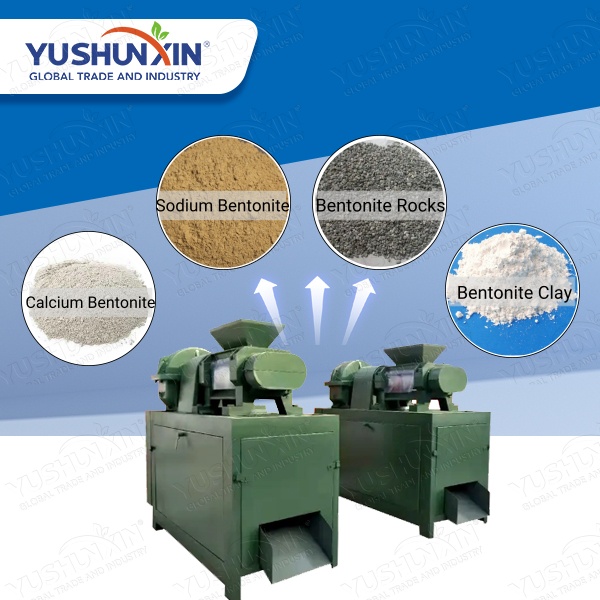
Processing Many Types of Bentonite by Double Roller Granulator

Processing Many Types of Bentonite by Double Roller Granulator

What Are the Key Features of a 30 T/H NPK Fertilizer Pellet Making System?

A 30 T/H NPK fertilizer granulation production line incorporates several essential machinery components that work collaboratively to enhance production efficiency and granule quality. The system typically begins with a loader type feeder, which facilitates the smooth introduction of raw materials into the production line.

Following this, a crane crusher processes larger materials, breaking them down into suitable sizes for further processing. The horizontal mixer then blends ingredients uniformly, ensuring that nutrient distribution remains consistent throughout the mixture. The critical step comes next with the incorporation of 12 double roller extrusion granulators, which shape the mixed materials into uniform pellets through an efficient pressing process known as dry granulation.

30TPH NPK Dry Fertilizer Granulation Line

30TPH NPK Dry Fertilizer Granulation Line

This pressing technique stands out because it minimizes moisture requirements, offering a stable and solid granule that can easily withstand storage and transportation. As the granules form, a rotary screening machine ensures uniformity in size, allowing for efficient sorting and further processing. Finally, the automatic packaging scale facilitates quick and precise packaging of the finished product, thus ensuring streamlined operations and reduced labor costs. Belt conveyors efficiently move materials throughout the production line, enhancing the overall flow and reducing bottlenecks.

How Do These Features Impact Production Efficiency?

The integration of these machines contributes significantly to the overall productivity of the 30 T/H NPK fertilizer granule manufacturing process. Companies benefit from the high production capacity, which allows them to meet market demands efficiently. The use of double roller granulators ensures that the pellets produced achieve the desired density and hardness, which are vital for effective nutrient release when used in various applications.

This system’s setup not only maximizes productivity but also reduces the likelihood of operational delays. The precision of the mixing and granulation processes leads to improved product consistency, enabling manufacturers to meet strict quality standards expected in the market. Additionally, the automated elements reduce the need for manual intervention, allowing personnel to focus on other critical tasks within the production framework. Such efficiency ultimately contributes to cost savings and increased profitability.

Conclusion

A 30 T/H NPK fertilizer pellet making system represents a vital investment for manufacturers aiming to enhance their production of high-quality fertilizers. By utilizing effective machinery such as double roller extrusion granulators, horizontal mixers, and various support equipment, companies can achieve their desired production goals while maintaining consistent quality.

Understanding the comprehensive features and benefits of such a system can lead to improved operational efficiency and greater market competitiveness. For those looking to invest in high-performance fertilizer production solutions, exploring options from professional suppliers can provide targeted equipment that meets specific production needs. You can visit:https://www.extruder-granulator.com/30-t-h-roller-press-granulation-production-line/