Monthly Archives: September 2023

Dry granulation method-Use double roller granulator to make fertilizer

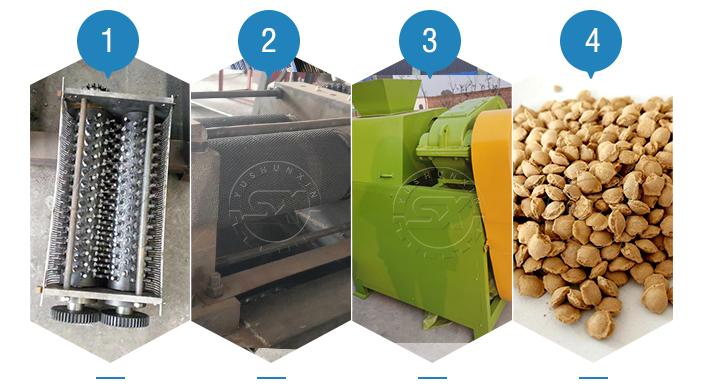
Dry granulation is a widely used method in the production of fertilizers. This technique involves transforming powdered materials into granules without the use of liquid binders or solvents. One of the key tools in dry granulation is the double roller granulator, a machine that plays a pivotal role in shaping raw materials into compact and uniform fertilizer granules. In this comprehensive guide, we will delve into the dry granulation method, focusing on the application of the double roller granulator in creating high-quality fertilizer products.

Understanding Dry Granulation

Dry granulation is a process that is favored for various reasons in the fertilizer industry. Unlike wet granulation, which employs liquids to agglomerate particles, dry granulation operates without the need for water or solvents. This offers several advantages, including reduced energy consumption, elimination of drying steps, and the ability to handle materials that are sensitive to moisture. In addition, dry granulation can result in more stable and free-flowing granules.

The Role of Double Roller Granulator

One of the key components in dry granulation is the extrusion granulation, often referred to as the compactor or roller press. This machine is instrumental in shaping fine powdered materials into dense and well-defined granules. Let’s explore the various stages and functions of the double roller granulator in the fertilizer manufacturing process.

Stage 1: Material Feeding

The process begins with the feeding of raw materials into the double roller granulator. These materials typically consist of a blend of powdered fertilizers, binders, and sometimes additives. The exact composition varies depending on the desired fertilizer formula. The roller granulator must evenly distribute these materials to ensure uniform granule formation.

Stage 2: Compression

Once the materials are fed into the double roller granulator, they pass through a pair of counter-rotating rollers. These rollers exert high pressure on the material bed, compacting it into a dense sheet. The compression force applied here is crucial for forming strong and uniform granules.

Stage 3: Size Reduction

After compression, the compacted sheet of material passes through a breaker mechanism. This breaker serves to reduce the sheet into smaller agglomerates. The size and shape of the agglomerates can be adjusted by modifying the roller gap, roller speed, and the amount of pressure applied during this step.

Stage 4: Granule Formation

The reduced agglomerates exit the double roller granulator in the form of granules. These granules are characterized by their spherical or cylindrical shape, depending on the design of the machine. The granules are typically of a consistent size, making them ideal for fertilizer applications where precise dosing and distribution are required.

Advantages of Using Double Roller Granulator

The use of a double roller granulator in the dry granulation process offers numerous advantages for fertilizer manufacturers:

  1. Cost Efficiency: Dry granulation consumes less energy compared to wet granulation, as it eliminates the need for drying processes. For this, the cost of double roller granulator plant is affordable.
  2. Improved Product Quality: The double roller granulator produces uniform and dense granules, reducing the risk of segregation and ensuring consistent nutrient content in the final product.
  3. Environmentally Friendly: Since no liquid binders or solvents are used, dry granulation generates less waste and has a lower environmental impact.
  4. Versatility: Double roller granulators can handle a wide range of materials, including those that are sensitive to moisture or heat.
  5. Customization: The machine’s settings can be adjusted to produce granules of varying sizes and shapes to meet specific fertilizer formulation requirements.

Conclusion

In the realm of fertilizer production, the dry granulation method, utilizing the double roller granulator, stands as a reliable and efficient approach. Its ability to transform powdered materials into uniform and high-quality granules while offering cost savings and environmental benefits makes it a preferred choice for many fertilizer manufacturers. As the agricultural industry continues to evolve, dry granulation with the double roller granulator remains a pivotal technique in producing fertilizers that contribute to global food security and sustainable agriculture.

Для чего нужна измельченная солома?

Измельченная солома – это солома, которая была раздроблена или измельчена на более мелкие частицы или кусочки. Измельченная солома может использоваться в различных сферах, включая сельское хозяйство, садоводство, компостирование и другие приложения. Вот некоторые из способов использования измельченной соломы:

Укрепление почвы: Измельченная солома может быть использована для укрепления почвы. Она добавляет органический материал и улучшает структуру почвы, что способствует удержанию влаги и улучшению плодородия.

Укрытие почвы: Солома может быть использована в качестве мульчи, чтобы укрыть почву в саду или огороде. Это помогает подавлять сорняки, уменьшать испарение влаги и сохранять почву в умеренной температуре.

Корм для скота: В сельском хозяйстве измельченную солому часто используют как корм для скота. Она богата клетчаткой и может служить дополнительным источником питательных веществ.

Компостирование: Как уже упоминалось, измельченная солома идеально подходит для компостирования. Она обогатит компост углеродом, помогая создать баланс между углеродом и азотом в компостной куче.

Улучшение структуры почвы в горшках: Измельченная солома может быть добавлена в горшочные смеси для рассады или комнатных растений. Она улучшает дренаж и воздухопроницаемость почвы.

Продается солома дробилка

Продается солома дробилка

Использование в искусстве и ремеслах: В некоторых случаях, измельченная солома может использоваться в искусстве и ремеслах для создания декоративных элементов или работ.

Измельченная солома представляет собой универсальный материал, который может быть полезен в разных сферах, особенно в сельском хозяйстве и садоводстве, а также для улучшения качества компоста. Чтобы узнать больше об использовании измельчителей соломы, посетите:https://www.sxmashina.com/soloma-drobilka/

How To Setup Quality Large Scale Compost Systems

Large-scale composting systems are designed to efficiently process organic materials on a massive scale, typically for municipalities, commercial operations, or agricultural purposes. These systems help reduce the environmental impact of organic waste by diverting it from landfills and incinerators while creating valuable compost that can be used to enrich soil. Here are key components and considerations for large-scale compost systems:

Input Materials

Large-scale compost systems can handle a wide range of organic materials, including food scraps, yard waste, agricultural residues, and sewage sludge. Proper feedstock management is essential to maintain a balanced carbon-to-nitrogen ratio.

Site Selection

Choosing an appropriate location is crucial. Factors such as accessibility, zoning regulations, proximity to waste sources, and potential odor concerns need to be considered.

Aeration

Effective aeration is vital for large-scale composting. Compost piles or windrows need to be turned regularly to provide oxygen to the microorganisms responsible for decomposition. Commercial compost turning equipment is often used in large systems.

Temperature Control

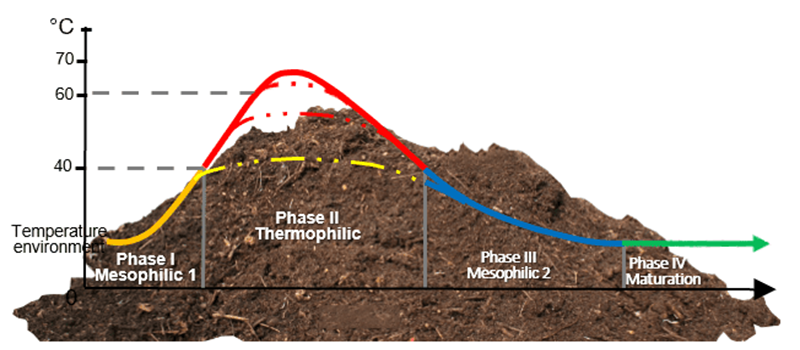
Temperature control is essential in large scale composting process. Proper insulation and monitoring systems are used to ensure that the compost reaches and maintains the necessary temperatures for decomposition (usually between 130°F to 160°F or 54°C to 71°C).

Temperature changing in large organic fertilizer composting

Temperature changing in large organic fertilizer composting

Moisture Management

Maintaining the right moisture content is critical in aerobic fermentation. Compost piles should have a moisture content of around 50-60%. Irrigation or covering with a waterproof membrane can help control moisture.

Size and Configuration

Large-scale compost systems can take various forms, such as windrows, aerated static piles, in-vessel systems, or digesters. The choice depends on the available space, feedstock characteristics, and desired processing capacity. Click here to learn more.

Odor and Pest Control

Odor management is crucial to address community concerns. Aerating the compost, covering it with materials like wood chips, and using odor-neutralizing agents can help. Pest control measures, such as rodent-proofing, are also essential.

Manure compost produced by SX fermenter

Manure compost produced by SX fermenter

Monitoring and Testing

Regular monitoring of temperature, moisture, and oxygen levels is essential for process control. Compost quality should be tested to ensure it meets regulatory standards and is suitable for its intended use.

Regulatory Compliance

Large-scale composting facilities must adhere to local, state, and federal regulations related to waste management, environmental protection, and public health.

End Product Use

The compost produced can be used in various applications, such as agriculture, landscaping, erosion control, and soil remediation. Developing markets for the compost is essential for the economic viability of large-scale composting operations.

Safety

Safety protocols and equipment are critical, especially when using heavy machinery and dealing with potentially hazardous materials.

Community Engagement

Large-scale composting facilities often face public scrutiny. Engaging with the local community through education and addressing concerns can help build support and minimize conflicts.

Large-scale composting systems play a vital role in sustainable waste management, reducing landfill waste, and producing valuable organic matter to improve soil health. However, they require careful planning, management, and investment to operate efficiently and minimize environmental impacts. If you need a more detailed compost plan, you can visit https://fertilizerequipmentmanufacturer.com/large-scale-composting-equipment/

What Factors Affect the Construction of Limestone Pellets Plant?

The construction of a limestone pellets plant is a complex undertaking that requires careful consideration of various factors to ensure its success. Limestone pellets, used primarily in industries like agriculture and environmental remediation, are an essential component for achieving specific goals, such as soil pH adjustment and pollutant removal. In this comprehensive exploration, we will delve into the key factors that influence the construction of a limestone pellets plant, from site selection to environmental regulations.

Site Selection

Selecting the right location for a limestone pellets plant is the initial and critical factor in the construction process. Several factors must be taken into account when determining the site:

  1. Proximity to Raw Material Sources:
    • Access to high-quality limestone deposits is essential. The proximity to these sources helps reduce transportation costs and ensures a consistent supply of raw materials.
  2. Logistics and Transportation:
    • Evaluating transportation infrastructure, such as road, rail, and waterway access, is crucial for efficient distribution of the finished pellets.
  3. Environmental Considerations:
    • Assessing the environmental impact of the plant’s location is vital. Compliance with local regulations and minimizing ecological disruption are paramount.
  4. Utilities Availability:
    • Availability of water, electricity, and gas utilities must be considered to ensure uninterrupted plant operations.

Process Design

Once the site is selected, designing an efficient production process is the next crucial step. Several factors influence the process design:

  1. Pelletization Method:
    • Choosing the appropriate pelletization method, such as rotary drum or pin mixer, depends on factors like desired pellet size and production capacity. It adpopts wet granulation method process.
  2. Quality Control:
    • Implementing stringent quality control measures is essential to produce consistent and high-quality limestone pellets.
  3. Scaling and Automation:
    • Consideration of future expansion and automation options is crucial to meet increasing demand efficiently.

Regulatory Compliance

Meeting regulatory requirements is paramount in the construction of a limestone pellets plant:

  1. Environmental Regulations:
    • Complying with local, state, and federal environmental regulations is essential to minimize the plant’s impact on air and water quality.
  2. Permitting:
    • Securing the necessary permits for mining, processing, and waste disposal is a time-consuming but critical aspect of construction.
  3. Health and Safety:
    • Ensuring the safety of workers and the community is a top priority. Safety protocols and equipment must be in place.

Market Demand and Competitive Analysis

Understanding market dynamics and competition is crucial for the plant’s long-term success:

  1. Market Research:
    • Conduct thorough market research to assess demand trends, pricing, and potential customers.
  2. Competitor Analysis:
    • Identify existing and potential competitors and develop strategies to differentiate the product and capture market share. And what granulator is the best choice to make limestonee pellets? Rotary drum granulator is for your reference.

Economic Viability

Assessing the economic viability of the project is vital:

  1. Cost Estimation:
    • Calculate construction, operational, and maintenance costs accurately to determine the project’s financial feasibility.
  2. Return on Investment (ROI):
    • Evaluate the projected ROI over the short and long term to justify the investment.

Conclusion

The construction of a limestone granulation plant is a multi-faceted process that involves numerous factors. Site selection, process design, regulatory compliance, market analysis, and economic viability all play pivotal roles in ensuring a successful venture. A thorough understanding of these factors and careful planning are essential for those looking to embark on this journey, as they will ultimately determine the plant’s effectiveness, profitability, and long-term sustainability in the industry.

Какой гранулятор наиболее подходит для производства комплексных азотных, фосфорных и калийных удобрений?

Использование роликового гранулятора (или двухвалкового гранулятора) для производства комплексных азотных, фосфорных и калийных (NPK) удобрений может быть очень эффективным способом создания удобрений, которые содержат все три основных элемента питания растений: азот (N), фосфор (P) и калий (K). Вот как это может быть выполнено:

1. Подготовка сырья:
– Сначала сырьевые материалы, содержащие азот, фосфор и калий, должны быть подготовлены. Это могут быть различные компоненты, такие как аммиачные соли для азота, фосфорсодержащие сырьевые материалы (например, фосфаты) для фосфора и калийные соли (например, хлориды или сульфаты) для калия.

2. Смешивание:
– Сырьевые материалы смешиваются в определенных пропорциях, чтобы получить желаемый состав комплексного NPK-удобрения. Это может потребовать точного контроля и измерения, чтобы обеспечить равномерное распределение элементов.

3. Грануляция:
– После смешивания сырья смесь подается в двойной роликовый гранулятор.
– В грануляторе сырье подвергается сжатию и прокатке между двумя вращающимися роликами. Это создает гранулы, объединяя сырьевые компоненты в одном продукте.
– Размер и форма гранул могут быть настроены путем регулировки параметров гранулятора.

4. Сушка и охлаждение:
– После грануляции гранулы могут подвергаться процессам сушки и охлаждения, чтобы удалить избыточную влагу и обеспечить стабильность продукта.

5. Упаковка и хранение:
– Готовые комплексные NPK-гранулы упаковываются в соответствующую упаковку и готовы для продажи и распределения.

Продам гранулятор удобрений npk

Продам гранулятор удобрений npk

Преимущество использования двойного роликового гранулятора заключается в его способности обрабатывать различные сырьевые материалы и создавать гранулы с высокой плотностью и стабильным составом. Это позволяет производителям удобрений создавать качественные комплексные NPK-удобрения, которые могут быть точно настроены под потребности разных видов растений и почв. Чтобы узнать больше, посетите: https://www.sxmashina.com/rolikovyy-granulyator/

What Factors Affect the Construction of NPK Fertilizer Plant?

The construction of an NPK (Nitrogen, Phosphorus, and Potassium) fertilizer plant is a complex and multi-faceted process that requires careful planning, attention to detail, and consideration of various factors. NPK fertilizers are essential for modern agriculture as they provide the primary nutrients needed for plant growth and crop production. In this article, we will explore the key factors that affect the construction of an NPK fertilizer plant, from the initial planning stages to the final commissioning and production.

Market Demand and Location Selection

Before embarking on the construction of an NPK fertilizer plant, one of the most crucial factors to consider is the market demand for fertilizers in the chosen region. An in-depth market analysis is essential to understand the current and future needs of local farmers and agricultural industries. Factors such as crop types, soil conditions, and climate patterns play a significant role in determining the demand for specific NPK formulations.

Additionally, the selection of the plant’s location is critical. Proximity to raw material sources, transportation infrastructure, and distribution networks should all be factored in. The chosen location should also adhere to environmental regulations and have access to a skilled workforce.

Raw Material Availability and Supply Chain

NPK fertilizers are composed of three primary nutrients: nitrogen (N), phosphorus (P), and potassium (K). The availability of these raw materials is a fundamental factor influencing the construction of a fertilizer plant. Nitrogen can be sourced from various materials, including ammonia and urea. Phosphorus is typically obtained from phosphate rock, while potassium is extracted from potash deposits. A reliable supply chain for these raw materials is vital to ensure uninterrupted production.

Moreover, the cost and sustainability of sourcing these raw materials should be considered. Sustainable practices and responsible sourcing are becoming increasingly important in the fertilizer industry, as consumers and governments demand environmentally friendly products.

Technological Advancements and Process Design

Advancements in fertilizer manufacturing technology can significantly impact the construction of an NPK plant. The choice of production methods, equipment, and processes can affect efficiency, product quality, and environmental impact. Modern fertilizer plants often incorporate innovative technologies, such as fluidized bed reactors and granulation processes, to optimize nutrient release and reduce environmental emissions.

Process design is another critical factor. Engineers must carefully design the plant’s layout, considering safety measures, material flow, and waste management. Proper engineering design ensures that the plant operates efficiently and complies with safety and environmental regulations.

Environmental Regulations and Sustainability

Environmental regulations play a pivotal role in the construction of NPK fertilizer plants. These regulations are designed to mitigate the environmental impact of fertilizer production, including air and water pollution, greenhouse gas emissions, and soil contamination. Compliance with these regulations is not only a legal requirement but also an ethical responsibility.

To address sustainability concerns, many fertilizer plants are adopting cleaner production methods and implementing waste recycling and waste-to-energy initiatives. Sustainable practices not only reduce the environmental footprint but also enhance the reputation of the plant and its products. SX has dust collector to dispose of waste for your choice.

Capital Investment and Financial Considerations

The construction of an NPK fertilizer plant requires a substantial capital investment. Factors such as plant size, production capacity, and technology choices all influence the cost of NPK fertilizer plant construction. Securing adequate funding and financing options is crucial for the successful completion of the project.

Financial considerations also include operational costs, maintenance expenses, and revenue projections. A well-defined business plan and financial model are essential to assess the plant’s long-term viability and return on investment.

Conclusion

The construction of an NPK fertilizer plant is a complex endeavor influenced by a multitude of factors. Market demand, raw material availability, technological advancements, environmental regulations, and financial considerations all play pivotal roles in shaping the plant’s design and construction. A thorough assessment of these factors and careful planning are essential to ensure the plant’s success, sustainability, and contribution to modern agriculture. Balancing economic viability with environmental responsibility is the key to building a successful NPK fertilizer plant that meets the needs of both farmers and the planet.

В каких отраслях может использоваться линия по производству роликового гранулирования?

Линия по производству роликового гранулирования может использоваться в различных отраслях и сферах промышленности для создания гранулированных материалов. Вот некоторые из основных отраслей, где такие линии могут найти применение:

1. Сельское хозяйство: Линии гранулирования могут использоваться для создания гранулированных удобрений, кормов для животных, а также гранулированных семян и других сельскохозяйственных продуктов.

2. Химическая промышленность: Гранулирование может применяться для создания химических продуктов, например, гранулы пестицидов, удобрений, катализаторов и других химических веществ.

Роликовая экструзионная линия грануляции

Роликовая экструзионная линия грануляции

3. Пищевая промышленность: В этой отрасли гранулирование используется для создания гранул сахара, соли, круп, специй и других пищевых продуктов.

4. Фармацевтическая промышленность: Гранулирование может быть полезным для производства фармацевтических таблеток, капсул и других медицинских продуктов.

5. Пластиковая промышленность: Гранулирование используется для создания пластиковых гранул, которые могут быть дальше использованы в производстве пластиковых изделий.

6. Металлургия: В некоторых случаях гранулирование может использоваться для обработки металлических порошков и создания металлических гранул.

7. Энергетическая промышленность: Гранулированные топливные пеллеты могут быть произведены с использованием линий гранулирования и использованы в качестве альтернативного источника энергии.

Это лишь несколько примеров отраслей, где линии по производству роликового гранулирования могут найти применение. Эта технология может быть адаптирована и использована в зависимости от конкретных потребностей и целей производства. Более подробную информацию о технологической схеме линии двухвалковой грануляции можно получить на сайте: https://www.sxmashina.com/rolikovaya-ekstruzionnaya-liniya-granulyatsii/