Monthly Archives: November 2025

Practical Methods for Turning Horse Manure Into High-Quality Biofertilizer

Using horse manure as an organic input is becoming increasingly popular among small farms, eco-agriculture projects, and commercial composting facilities. When properly treated, horse manure transforms into a nutrient-rich biofertilizer that improves soil structure, boosts microbial activity, and enhances long-term fertility. This guide explains the essential steps of converting horse waste into stable organic fertilizer and highlights where modern horse manure processing equipment can streamline the workflow.

1. Understanding the Characteristics of Horse Manure

Horse manure contains moderate nitrogen levels, plenty of fiber-rich bedding residues (like sawdust or straw), and a beneficial microbial base. However, its high carbon content means it needs balanced composting to avoid slow decomposition. For anyone planning to set up a horse manure organic fertilizer plant, moisture control and C/N ratio adjustment are the first considerations.

Horse Waste Management for Granular biofertilizer

Horse Waste Management for Granular biofertilizer

2. Pre-Processing: Crushing, Mixing, and Moisture Adjustment

Before composting begins, the raw material often requires basic preparation:

Crushing coarse fibers improves surface area and speeds microbial breakdown. A dedicated manure crusher or organic waste grinder helps achieve uniform particle size.

Adjusting moisture to around 55–60% ensures efficient aerobic fermentation.

Mixing manure with other organics (chicken manure, green waste, mushroom residue) helps improve nitrogen content and stabilize the carbon ratio.

Using an automatic compost mixer or vertical blending system can greatly improve consistency compared with hand-mixing.

3. Composting: The Key Step for Safe Biofertilizer

To transform raw horse manure into a safe, mature biofertilizer, controlled composting is essential. Farmers can choose from several popular technologies:

Windrow composting using a self-propelled turner

Groove fermentation with a rail-type compost turning machine

In-vessel composting for odor control and faster heating

During active decomposition, temperatures should reach 55–65°C to eliminate pathogens and weed seeds. Regular turning supplies oxygen and keeps fermentation uniform. Many modern horse manure compost turners include automatic aeration and adjustable turning depth to improve compost quality.

4. Post-Treatment: Screening, Crushing, and Optional Granulation

Once composting is complete, the material can be:

Screened to remove oversized fibers

Re-crushed for a finer, more marketable product

Granulated using disk, drum, or roller-press systems if pelletized biofertilizer is required

Granulation is optional but beneficial for storage, bulk transport, and value-added product lines. Learn more! 

5. Why Specialized Equipment Makes a Difference

While small batches can be processed manually, consistent commercial production benefits from a complete horse manure fertilizer production line, which may include a crusher, mixer, composter, screening machine, and (if needed) a granulator. These systems reduce labor, shorten fermentation time, and deliver uniform, high-quality biofertilizer suitable for retail or farm use. If you need a business plan, welcome to visit: https://www.biofertilizerproduction.com/product/horse-manure-bio-fertilizer-production-unit/

Enhancing Fertilizer Production Sustainability Through Double Roller Extrusion Granulation

Modern fertilizer manufacturing faces increasing pressure to reduce environmental impact while maintaining high production efficiency. Traditional wet granulation consumes large volumes of water and energy, making it difficult to achieve low-carbon goals. In contrast, double roller extrusion granulation introduces a dry granulation process that minimizes resource consumption and enhances the recycling of secondary raw materials. This method not only optimizes the fertilizer granule making procedure but also supports the sustainable use of lime rock, limestone, and other mineral-based materials. Through a controlled extrusion and compacting process, the technique improves the physical strength of each particle and reduces material waste throughout the production line.


1. What Raw Materials Suit Sustainable Fertilizer Granulation and How Do They Benefit Different Industries?

Lime powder fertilizer, limestone fertilizer, and lime rock-based compounds serve as fundamental raw materials for sustainable granule production. Each material provides specific advantages for distinct industrial sectors. In the chemical industry, limestone fertilizer enhances product uniformity and stability during the granulating procedure, ensuring consistent reaction performance. In the environmental materials sector, lime powder fertilizer supports waste neutralization and heavy metal stabilization, which reduces pollution risks during fertilizer pellet making. In the mining and metallurgy industries, lime rock fertilizer contributes to desulfurization and slag conditioning while allowing efficient reuse of mineral residues.

These raw materials maintain excellent compressibility during the double roller extrusion step, making them ideal for dry granulation and compact production. Their physical characteristics promote better particle formation and improve transport stability. When combined with organic fillers or micronutrients, lime-based fertilizer mixtures also enhance nutrient balance without increasing moisture content. Therefore, the selection of proper lime compound materials determines both the technical feasibility and the sustainability performance of the entire lime fertilizer pellet manufacturing system.

Limestone Powder Granulator

Limestone Powder Granulator


2. How Does the Double Roller Extrusion Granulation Process Strengthen Manufacturing Efficiency?

The double roller extrusion granulator applies a mechanical press principle that transforms fine powder into compact granules through direct extrusion and rolling. During this process, the fertilizer particles undergo densification without heat or drying steps, which reduces energy input and eliminates wastewater discharge. Each extruder roll produces uniform pellets that can pass through subsequent rotary screening and classification stages with minimal loss.

In a complete fertilizer production line, several types of machinery work together: a loader-type feeder ensures stable feeding; a chain crusher manages particle size preparation; a horizontal mixer achieves uniform blending; the double roller extruder performs compacting and granulating; the rotary screening machine classifies granule sizes; and the automatic packaging scale completes quantitative packing through belt conveyors. Each machine maintains continuous operation to improve material flow and reduce manual handling.

This integrated dry granulation process supports higher productivity and better control of granule hardness. The compact form of lime fertilizer pellets prevents dust release and improves storage performance. Compared with wet granulating methods, double roller extrusion technology reduces processing time and enhances the circular utilization of material residues, helping producers achieve sustainable fertilizer manufacturing objectives.


3. Why Does Double Roller Extrusion Granulation Promote Long-Term Environmental Sustainability?

Sustainability in fertilizer pelletizing depends on resource efficiency, low emissions, and consistent product quality. The double roller compacting process directly converts lime-based fertilizer powders into durable particles without water addition, avoiding the drying stage that usually consumes significant energy. As a result, this technology minimizes carbon footprint and shortens the total production cycle.

Furthermore, the procedure allows flexible granule size adjustment, enabling producers to match diverse application requirements across industrial fertilizer markets. The compact and uniform pellets generated from lime rock fertilizer mixtures improve nutrient release control, reducing over-application and environmental runoff. Because the process operates under normal temperature conditions, it also preserves the chemical stability of sensitive micronutrient additives.

The long-term environmental benefits come from reduced dust emission, efficient use of limestone fertilizer resources, and the recycling of fine powder back into the extrusion system. These advantages make the double roller granulation technique a key solution for enterprises seeking greener fertilizer pellet production.


Conclusion

The adoption of double roller extrusion granulation redefines fertilizer production by integrating energy-saving, dry compacting, and precise particle forming technologies. Through the efficient use of lime powder fertilizer and limestone-based materials, manufacturers can strengthen both environmental responsibility and production profitability. The comprehensive equipment configuration—from feeder and crusher to mixer, extruder, screening machine, and automatic packaging system—creates a continuous, low-waste, and sustainable manufacturing process.

A professional fertilizer equipment manufacturer, Yushunxin, provides advanced double roller extrusion granulators and complete production lines that help enterprises realize stable, eco-friendly fertilizer granule production while maintaining international quality standards. You can visit: https://www.extruder-granulator.com/product/limestone-powder-granulation-machine/

Грандиозная новогодняя распродажа — гусеничный компостер завоевывает зеленое будущее!

В условиях, когда забота об окружающей среде становится мировым приоритетом, эффективная переработка органических отходов и внедрение принципов циркуляции ресурсов выходят на первый план для современных аграрных и ландшафтных предприятий. Гусеничный компостер, как инновационный лидер в области обработки органических материалов, благодаря высокой производительности и интеллектуальному управлению, стал незаменимым оборудованием для экологических хозяйств, крупных ферм и коммунальных служб. В честь завершения года мы запускаем грандиозную акцию — новогоднюю распродажу гусеничных компостеров, чтобы сделать зеленое будущее ближе!

Máquina de compostaje de fertilizantes en hileras tipo oruga

Máquina de compostaje de fertilizantes en hileras tipo oruga

Преодолейте сложности — гусеничный компостер справится со всем

Традиционные методы компостирования требуют больших трудозатрат, плохо перемешивают кучи и отличаются низкой эффективностью ферментации. Гусеничный компостер решает эти проблемы: его мощная гусеничная ходовая часть легко справляется с любым рельефом, а автоматические функции переворачивания компоста существенно снижают необходимость ручного труда и ускоряют процесс созревания. Гусеничный компостер с легкостью справится с любой задачей — куриный и крупный навоз, солому, садовые и парковые отходы — всё будет превращено в качественный компост! Это настоящий прорыв по сравнению с традиционными решениями — максимальная эффективность и забота об экологии.

Инновационные технологии — умное управление

Наши гусеничные компостеры, участвующие в новогодней акции, оснащены современными системами управления: запуск одной кнопкой, программируемое переворачивание, дистанционный мониторинг и другие инновационные функции. Это действительно «умное» оборудование, способное работать без постоянного контроля оператора. Инновации — путь к будущему: ваш компост будет готов быстро, а управление процессом станет проще и экономичнее.

Новогодние скидки — не упустите шанс, акция только раз в году!

В рамках новогодней распродажи для всех покупателей гусеничных компостеров мы подготовили эксклюзивные предложения:
Специальные скидки — настоящие минимальные цены года
Бесплатное обучение, выездное наладка, бонусный комплект запчастей
Финансовая поддержка — беспроцентная рассрочка, гибкие условия оплаты
Обмен старого оборудования на новое — до 300 $ компенсации
Приоритетная отгрузка — быстрые сроки производства и доставки

Гусеничные-ворошители-компост

Гусеничные-ворошители-компост

Вместе — к зеленому будущему

Выбирая гусеничный компостер, вы делаете шаг к экологичному и эффективному будущему. Не упустите грандиозную новогоднюю акцию! Давайте вместе решать задачи переработки органических отходов, создавая чистое и устойчивое завтра.

Свяжитесь с нами прямо сейчас, чтобы узнать подробности и оставить заявку на свой новый гусеничный компостер! Более подробную информацию можно найти на сайте:https://www.liniyaudobreniy.com/gusenichnye-voroshiteli-kompost/

Common Composting Techniques and Equipment Used in Fertilizer Production

Composting is a fundamental step in organic fertilizer production, transforming agricultural waste and animal manure into stable, nutrient-rich humus. The choice of composting method depends on raw material type, available land, and the desired processing speed. Below are some of the most widely used fertilizer composting methods and the corresponding turning equipment suitable for each.


1. Windrow Composting Method

The windrow composting system is the most common approach for large-scale fertilizer plants. Raw materials such as cow dung, chicken manure, and crop residues are piled into long windrows—usually 1.5 to 2 meters high—and turned regularly to supply oxygen.
For this method, crawler-type compost turners or self-propelled compost machines are widely used. They can move along the windrow, turning and mixing the material while breaking up clumps to ensure even fermentation. These machines are suitable for both open-air and semi-enclosed composting yards.


2. Groove Type Composting System

In facilities with limited space, groove composting (also known as trench composting) is preferred. Materials are placed into fermentation channels with fixed rails. A groove-type compost turner equipped with an automatic control system travels along the rails, turning materials layer by layer.
This method offers better temperature control and is often used in organic fertilizer production lines where consistent compost quality is required. It’s energy-efficient and suitable for continuous, large-scale operation.


3. In-Vessel Composting for Controlled Fermentation

For areas with strict environmental regulations or where odor control is essential, in-vessel composting systems or organic fermentation tanks are used. These sealed reactors maintain optimal temperature, humidity, and oxygen levels, significantly shortening fermentation time.
Although this approach requires a higher investment, it produces stable compost in as little as 7–10 days and eliminates the need for outdoor turning.


4. Hydraulic and Wheel Compost Turners

In modern composting projects, hydraulic compost turners and wheel-type compost machines are introduced for efficiency and automation. Hydraulic systems handle heavier materials and deep windrows, while wheel turners are designed for large fermentation tanks or channels exceeding 1.5 meters in depth.
Their ability to maintain uniform aeration helps reduce energy consumption and improve compost maturity. Feel free to consult YUSHUNXIN!


Conclusion

Choosing the right composting method and turning equipment depends on the scale of production, raw materials, and environmental factors. From simple windrow systems to fully enclosed fermentation reactors, each setup has its own balance between cost, efficiency, and control. A well-matched compost turner not only accelerates decomposition but also ensures stable fertilizer quality for subsequent granulation or liquid processing. If you want to know more information about composting method, welcome to visit: https://www.fertilizerequipmentprice.com/industrial-composting-machine/

How to Select the Right Granulator or Pelletizer for Your Lime Fertilizer Production Needs

Selecting suitable granulation machinery for lime fertilizer production determines the stability, efficiency, and profitability of the entire processing line. Each type of lime-based raw material—such as limestone powder, lime rock dust, or hydrated lime—requires different handling and granulating approaches. A rational choice of equipment ensures consistent particle size, good strength of fertilizer pellets, and high production efficiency.


What Raw Materials Can Be Used in Lime Fertilizer Manufacturing and How Do They Affect the Production Needs?

Lime fertilizer production involves multiple raw materials with distinct physical and chemical properties. Limestone powder offers excellent calcium content and suits industries that focus on soil pH adjustment or calcium supplementation. Hydrated lime provides high reactivity and faster neutralization, which benefits chemical fertilizer producers needing rapid nutrient release. Dolomite powder, containing both calcium and magnesium, fits compound fertilizer manufacturing where balanced micronutrient supply is essential.

Each raw material influences the granulating process differently. Fine lime powder requires accurate moisture control to prevent dusting during granulation. Coarser limestone rock needs preliminary crushing by a chain crusher before entering a horizontal mixer. Proper mixing ensures uniform blending of additives and binding agents. For large-scale operations, a loader type feeder enables continuous feeding, stabilizing material flow and improving the uniformity of the final lime fertilizer granules.

Limestone Powder Granulator

Limestone Powder Granulator


How Do Different Granulation Processes and Machines Meet Lime Fertilizer Production Goals?

The choice between granulating and pelletizing technologies depends on the formulation characteristics and production capacity. A double roller extrusion granulator suits dry granulation procedures, especially for lime-based materials sensitive to high moisture. This equipment compacts the powder between rollers, forming solid particles through mechanical pressure. The dry extrusion process reduces drying costs and maintains chemical stability.

When the production requires smoother surfaces or larger pellets, a pelletizer or ball making machine can form round particles through wet granulation. This method uses controlled moisture and binder solutions, enhancing granule strength. After shaping, a rotary screening machine classifies granules by size, ensuring consistent quality before packaging. The screened lime fertilizer particles then move through belt conveyors toward an automatic packaging scale, which completes the process with precise weighing and bagging.

Each machine influences not only particle shape but also the overall manufacturing efficiency. Stable extrusion pressure, uniform feed distribution, and synchronized conveying speed directly improve product quality. Proper coordination among these machines shortens production time, reduces energy consumption, and enhances the reliability of the lime fertilizer manufacturing line.


What Key Factors Help Determine the Best Equipment Combination for Lime Fertilizer Granulation?

Several factors guide the selection of granulation machinery. Material moisture, particle size requirement, production scale, and final fertilizer composition must align with the machine design. High-capacity plants benefit from automated feeding and continuous extrusion lines, while smaller operations prefer compact dry granulators with flexible output adjustment. Equipment durability, maintenance convenience, and energy efficiency also influence long-term performance.

A producer should evaluate how each piece of machinery—from the mixer and extruder to the screening and packaging units—interacts within the entire process chain. Consistency of the lime fertilizer granule size depends on the synchronization of each step. Moreover, reliable after-sales service and technical guidance ensure stable operation, especially when handling abrasive lime materials.


Conclusion

Selecting the right granulator or pelletizer for lime fertilizer production requires understanding raw material characteristics, process requirements, and equipment functions. A well-designed production line integrates feeding, mixing, extrusion, and screening into a continuous and efficient procedure. When a manufacturer invests in professional machinery, the lime fertilizer granules achieve desired hardness, uniformity, and nutrient stability.

For producers seeking reliable technology and technical consultation, a professional fertilizer equipment manufacturer—Yushunxin— provides comprehensive solutions for lime fertilizer granulation systems, supporting stable production and long-term industrial development. You can visit: https://www.extruder-granulator.com/product/limestone-powder-granulation-machine/

Exploring the Physical Process of Liquid NPK Fertilizer Manufacturing

Unlike chemical fertilizers that rely on reactions and synthesis, liquid NPK fertilizers are mainly produced through physical processing methods. These involve dissolving, mixing, filtering, and stabilizing nutrient materials in water to create a homogeneous nutrient solution. Understanding the physical NPK liquid fertilizer production technology behind these fertilizers is essential for maintaining product quality and cost efficiency.


1. Raw Material Dissolution

The first step of liquid NPK fertilizer manufacturing focuses on dissolving water-soluble nutrients such as urea, ammonium nitrate, phosphoric acid, and potassium chloride.
The process often requires temperature control—typically between 40°C and 60°C—to accelerate solubility and prevent crystallization. Efficient dissolution tanks are equipped with agitators or jet mixing devices to ensure all particles are completely dispersed.


2. Mixing and Blending Operations

After dissolution, the nutrient solutions are transferred into mixing tanks for uniform blending.
This stage determines the stability and homogeneity of the final product. Physical agitation—by mechanical impellers, paddles, or recirculation pumps—helps maintain a consistent NPK ratio across the batch.
For high-precision production, automated dosing systems can add micro-elements and stabilizers during mixing, ensuring consistency without manual intervention.


3. Filtration and Purification

Filtration plays a vital role in the NPK solution fertilizer production line. Even small impurities can block spray nozzles or create sediment during storage.
Therefore, multi-stage mesh filters or fine membrane filters (10–50 microns) are used to remove insoluble materials. This step enhances clarity and extends the shelf life of the fertilizer solution.


4. Storage and Quality Stabilization

Once blending and filtration are complete, the fertilizer is stored in stainless steel or polyethylene tanks. Continuous mild agitation prevents nutrient settling, and anti-corrosion coatings protect the containers from long-term contact with salts.
At this stage, samples are tested for nutrient concentration, pH, and physical stability before packaging.


5. Supporting Equipment in Physical Production

Modern liquid fertilizer production systems rely on a set of specialized physical equipment—dissolving tanks, mixing vessels, filtration units, and storage tanks. For large-scale production, automatic control panels and flow meters ensure accurate measurement and efficient operation.
These mechanical systems form the backbone of the physical fertilizer manufacturing process, allowing producers to achieve stable quality with minimal chemical adjustment. Learn more !

NPK lliquid fertilizer production equipment

NPK lliquid fertilizer production equipment


In essence, the physical production technology of NPK liquid fertilizers is about precision engineering—careful control of temperature, mixing intensity, and filtration quality. By mastering these steps, manufacturers can produce clear, stable, and nutrient-balanced fertilizers suitable for both foliar spraying and irrigation systems. If you need the NPK liquid fertilizer manufacturing machine, welcome to visit: https://www.liquidfertilizerplants.com/products/npk-liquid-fertilizer-production-line/

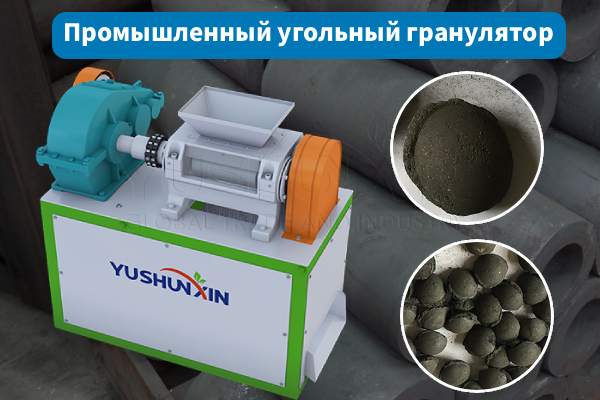
Высокоплотный промышленный гранулятор угля: инструмент для эффективного и экологичного использования угольных ресурсов

С ужесточением экологических требований и оптимизацией структуры энергетики способы использования угля постепенно переходят в сторону высокой эффективности, чистоты и автоматизации. На этом фоне высокоплотный промышленный гранулятор угля, являясь ключевым оборудованием для глубокой переработки угля, вносит новый импульс в эффективное использование угольных ресурсов и экологичное производство. В этой статье мы подробно расскажем о технических преимуществах, ценности применения и рыночных перспективах высокоплотного промышленного гранулятора угля.

Промышленная-грануляция-угля

Промышленная-грануляция-угля

1. Что такое высокоплотный промышленный гранулятор угля?

Высокоплотный промышленный гранулятор угля — это специализированное оборудование для производства формованного угля. Используя технологию высоконапорного прессования, он быстро сжимает угольную пыль, шлам и другие мелкие частицы в более плотные и прочные гранулы (брикетированный уголь). В отличие от обычных грануляторов, высокоплотные агрегаты обеспечивают не только высокую плотность и прочность продукции, но и более полное сгорание, меньший уровень загрязнения. Это особенно подходит для крупных котельных и промышленных печей с высоким энергопотреблением.

2. Преимущества высокоплотного брикетированного угля

Плотность и прочность
Гранулы, получаемые на высокоплотном грануляторе, имеют плотную внутреннюю структуру и высокую прочность, они устойчивы к разрушению, удобны в транспортировке и хранении, что снижает потери от рассыпания и пыли.

Высокая эффективность сгорания
Однородные и плотные гранулы обеспечивают равномерное распределение топлива в процессе горения, более полное прогревание, что существенно повышает КПД котла и снижает выбросы не сгоревшего угля и вредных газов.

Экологическая чистота
Формование и сгорание высокоплотного брикетированного угля значительно уменьшают выбросы угольной пыли и дыма, что снижает загрязнение окружающей среды и соответствует принципам “зеленого” производства и устойчивого развития.

Широкая совместимость
Гранулятор подходит для различных видов угля (бурый, антрацит, каменный) и промышленных побочных продуктов (угольный шлам, порода), что позволяет максимально использовать ресурсы.

3. Технические характеристики и производственный процесс

Высокоплотные промышленные угольные грануляторы обычно используют гидравлическую или механическую технологию высокого давления. Основной цикл включает сортировку сырья, дробление, смешивание (с добавлением связующего), прессование, сушку и контроль качества готовой продукции.

Система высокого давления:
С помощью гидравлической системы или мощных пресс-валов угольные частицы быстро формируются в прочные гранулы.

Регулируемые матрицы:
Позволяют производить гранулы различной формы и размера (шаровидные, цилиндрические, блочные и др.).

Автоматизация производства:
Оснащены интеллектуальными системами управления, обеспечивающими автоматическую подачу сырья, прессование и выгрузку продукции, что значительно повышает производительность и однородность продукции.

4. Широкая сфера применения

Высокоплотный гранулятор угля широко используется в энергетике, химической промышленности, металлургии, строительных материалах, особенно подходит для:

– Электростанций, котельных, централизованного отопления
– Предприятий с высоким энергопотреблением (металлургия, коксохимия)
– Производства бытового брикетированного угля, предприятий по выпуску альтернативного топлива
– Угольных шахт и предприятий глубокой переработки, для утилизации шлама и породы

5. Рыночные перспективы и тенденции развития

В связи с внедрением политики “двойного углерода”, спрос на чистый формованный уголь продолжает расти. Высокоплотный промышленный гранулятор угля благодаря своим характеристикам и универсальности способен занять ключевое место в дальнейшем развитии “зеленой” энергетики и экономики замкнутого цикла. С развитием автоматизации и интеллектуализации оборудования эффективность производства и качество продукции будут постоянно расти, принося предприятиям ощутимые экономические и социальные выгоды.

6. Рекомендации по выбору оборудования

При покупке высокоплотного гранулятора угля рекомендуется обращать внимание на:

– Плотность прессования и процент годных изделий
– Энергопотребление, уровень автоматизации, простоту обслуживания
Технический уровень производителя и качество сервисного обслуживания
– Совместимость с различными видами угля и сырья

Высокоплотный промышленный гранулятор угля — это не только ключевое оборудование для эффективного и экологичного использования угля, но и важная движущая сила модернизации угольной промышленности. С ростом требований к охране окружающей среды и совершенствованием технологий этот агрегат принесет отрасли новые возможности и изменения. Если у вас есть вопросы или интерес к оборудованию, оставьте комментарий — мы предоставим профессиональную консультацию и качественный сервис! Более подробную информацию можно найти на сайте:https://www.granulyator.com/product/promyshlennyy-ugolnyy-granulyator/