
Mineral fertilizer plants use ore crushing machines to break large rock into smaller particles before grinding and granulation. Phosphate rock, limestone, dolomite, and potassium feldspar enter the crusher as lumps and leave as a finer material for the ball mill. When you select ore crushing machines, you match the feed size, output size, and capacity to the downstream fertilizer equipment.
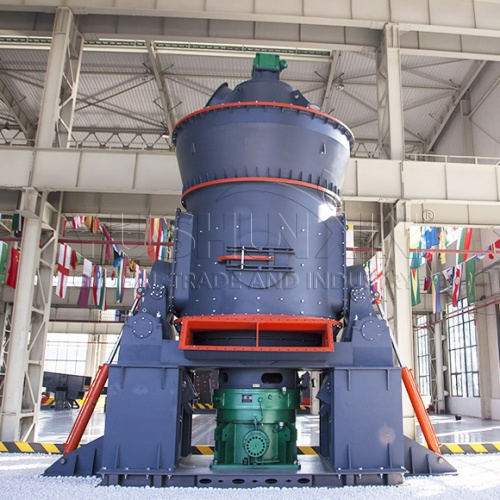
ore crushing machines
Which ore crushing machines system prepares mineral powder for granulation?
An ore crushing machines system prepares mineral powder for granulation by reducing the raw ore in stages. You can use a jaw crusher for primary breaking and a Raymond mill for fine grinding before the material reaches the mixer. The pan granulator then forms the powder into round pellets with water or a binder. This staged size reduction protects the fertilizer machinery and keeps the mineral fertilizer manufacturing process smooth.
How does an ore crushing machines line connect crushing, grinding, and granulation?
An ore crushing machines line connects crushing, grinding, and granulation by moving the material from the crusher to the ball mill and then to the pan granulator. Mineral fertilizer granulation technology helps you set the powder mesh and moisture so the pellets form with a high granulation rate. A rotary dryer then stabilizes the granules before screening and packing. This sequence reduces dust and keeps the fertilizer processing plant efficient.
Which particle size range improves mineral fertilizer granulation?
A fine and uniform particle size range improves mineral fertilizer granulation because smaller particles bind more easily in the pan granulator. You can grind phosphate rock or potassium feldspar to a consistent mesh before mixing. You can compare these size requirements with the general definitions for mineral fertilizer when you set the production standard. This preparation lowers energy use in the ball mill and improves pellet strength.
Which crusher type suits different ore hardness and production capacity?
A jaw crusher suits hard rock, while a Raymond mill handles softer or medium ore and produces fine powder. You can choose a high-capacity crusher for continuous mineral fertilizer manufacturing or a compact unit for a smaller workshop. This selection helps you balance fertilizer production investment and keeps the fertilizer granulation line running at a steady load.
How does an ore crushing machine reduce energy use before mineral fertilizer granulation?
An ore crushing machine reduces energy use before mineral fertilizer granulation by delivering a smaller and more uniform particle size to the ball mill. When the crusher breaks large rocks first, the mill grinds less coarse material and uses less power. You can then feed the fine powder to the pan granulator with less rework. This staged size reduction improves the fertilizer manufacturing process and lowers the overall fertilizer production investment in grinding equipment.
To summarize, an ore crushing machine reduces mineral size through staged crushing and grinding before granulation. You can combine the crusher with a ball mill, pan granulator, rotary dryer, and screening machine in one fertilizer manufacturing system. A mineral fertilizer equipment manufacturer can help you choose the right crushing line. Yushunxin supplies this ore crushing equipment for mineral fertilizer producers. If you have interests, you can learn more about https://www.mineralfertilizerproductionsolutions.com/product/ore-fertilizer-crusher-machine