Monthly Archives: September 2026

Как угол наклона и скорость вращения влияют на работу барабанного гранулятора?

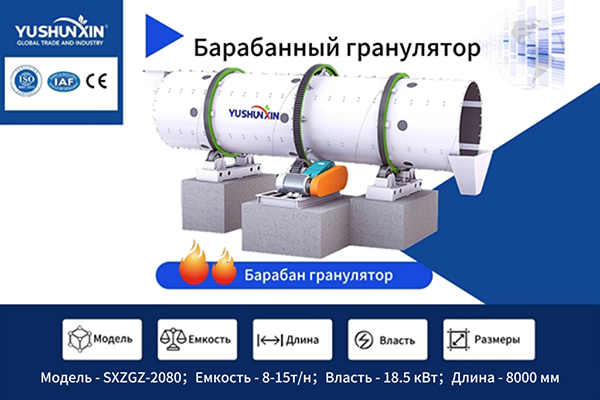
Производство удобрений объединяет выбор сырья, технологического оборудования и организации линии гранулирования. Производитель удобрений оценивает производственную задачу, сравнивает оборудование для производства удобрений и определяет состав технологической линии. Материалы страницы «Барабанный гранулятор | Прямые продажи с завода | SHUNXIN» помогают рассмотреть тему «Как угол наклона и скорость вращения влияют на работу барабанного гранулятора» с точки зрения завода, который планирует стабильный выпуск продукции. Как угол наклона и скорость вращения влияют на работу барабанного гранулятора позволяет заказчику производственной линии сопоставить комплектацию, мощность и технологические решения до начала проекта.
Как угол наклона и скорость вращения влияют на работу барабанного гранулятора? — производственное оборудование
Оборудование для производства удобрений в составе технологической линии

Как выбрать оборудование для как угол наклона и скорость вращения влияют на работу барабанного гранулятора?

Предприятие сравнивает оборудование для производства удобрений, потому что гранулятор, смеситель, сушилка и дробилка должны работать в одной технологической линии. Производитель NPK учитывает производительность, влажность сырья и требуемый размер гранул. Инвестор оценивает затраты на производство удобрений и срок запуска завода по производству удобрений. Технологическая линия для производства удобрений подбирается по мощности, составу сырья и конечной формуле продукции. Материал страницы «Барабанный гранулятор | Прямые продажи с завода | SHUNXIN» показывает, какие параметры важны при выборе основного оборудования. оборудование для как угол наклона и скорость вращения влияют на работу барабанного гранулятора позволяет сопоставить модель с технологической задачей. Связанная страница «Решения по сырью Archives – Решения по производству удобрений!» уточняет, как отдельные машины интегрируются в общую систему переработки удобрений. Заказчик производственной линии сравнивает барабанную, дисковую и валковую грануляцию для конкретного сырья.

Какие технические параметры учитывает производитель удобрений?

Завод анализирует технологический процесс производства удобрений, поэтому учитывает производительность, потребляемую мощность, влажность и размер частиц. Производитель удобрений проверяет, какие параметры подтверждены для линии производства удобрений, и не переносит характеристики одной модели на другую. Инвестор проекта удобрений оценивает капитальные расходы, бюджет проекта и стоимость запуска. Производственная компания определяет, как оборудование для обработки удобрений влияет на качество готового продукта. Данные страницы «Барабанный гранулятор | Прямые продажи с завода | SHUNXIN» используются как основа для сравнения комплектации. подробная информация о производственной линии даёт дополнительные сведения о возможных вариантах конфигурации. Управление производством удобрений становится точнее, когда каждый технологический узел соответствует характеристикам сырья и целевой мощности.

Как связанное оборудование влияет на технологическую линию?

Связанное оборудование для производства удобрений дополняет основную линию гранулирования. Производитель удобрений добавляет дробилку, смеситель, сушилку или грохот в зависимости от сырья и конечной формулы. Технология производства удобрений требует согласованной работы нескольких машин, поэтому завод проверяет производительность каждого узла. связанное оборудование для производства удобрений рассматривается в контексте линии гранулирования. Страница «Решения по сырью Archives – Решения по производству удобрений!» помогает понять, как связанное оборудование включается в производственную линию. Предприятие сравнивает варианты конфигурации линии и рассчитывает резерв мощности. Инвестор проекта учитывает, что правильный подбор вспомогательного оборудования снижает простои и повышает стабильность производства комплексных удобрений.

Как производитель линий формирует комплектацию завода?

Производитель линий для производства удобрений формирует комплектацию завода на основе производственной задачи. Завод по переработке удобрений оценивает сырьё, мощность и доступную площадь. производитель линий для производства удобрений представляет направления оборудования и технологических решений. Страница «Оборудование для производства удобрений Shunxin» даёт общее представление о направлениях оборудования и технологических решениях. Производственная компания сравнивает линии для органических и минеральных удобрений, а также системы гранулирования NPK. Инвестор учитывает, что комплекс оборудования должен быть согласован по производительности, управлению и обслуживанию. Такой подход помогает заказчику производственной линии перейти от отдельного станка к полноценному заводу по производству удобрений.

Какие сведения подтверждают выбор технологии?

Дополнительные справочные сведения о сырье и процессе помогают производителю удобрений проверить технологию гранулирования. Завод анализирует физические свойства материала, условия сушки и требования к конечному продукту. Инвестор проекта сравнивает разные технологии производства удобрений и учитывает особенности исходного сырья. гранулирование даёт справочное описание материала или процесса. Производственная компания использует справочные данные для подготовки технического задания на линию. Такие сведения дополняют описание оборудования и позволяют точнее определить параметры производства удобрений, управления линией и контроля качества готовой продукции.

Если тема актуальна для производственного проекта, производитель удобрений может уточнить комплектацию линии у Yushunxin, а дополнительная информация доступна здесь: https://www.granulyator.com/product/barabannyy-granulyator/
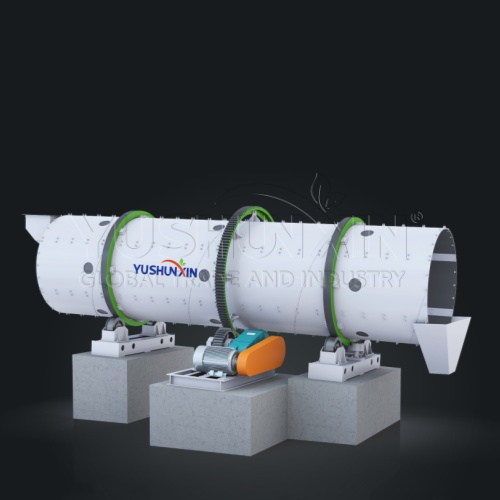
What Equipment Is Needed Around a Rotary Drum Granulation Production Line for High-Capacity NPK Production?

Plant owners and project investors often evaluate rotary drum granulation production line before they plan a fertilizer processing plant. phosphate rock, limestone, dolomite, potassium feldspar move through ball mill, pan granulator, rotary dryer in a complete fertilizer granulation line. When you select this equipment, you review capacity, material condition, and plant layout. This evaluation helps you control investment and keep production stable.

rotary drum granulation production line

rotary drum granulation production line

How does a rotary drum granulation production line system support phosphate rock processing?

A rotary drum granulation production line system supports phosphate rock processing by connecting the main machine with feeding, mixing, and screening. You can prepare phosphate rock, limestone, dolomite, potassium feldspar before the machine starts. A ball mill and a pan granulator help control material flow, while a rotary dryer protects product quality. This layout keeps the fertilizer processing plant stable and reduces manual transfer. You can also compare this process with standard fertilizer manufacturing system principles when you design the line. This preparation improves the fertilizer equipment and keeps the fertilizer machinery balanced. This setup also simplifies maintenance and reduces unexpected stops.

Why does a rotary drum granulation production line machine suit continuous fertilizer production?

A rotary drum granulation production line machine suits continuous fertilizer production because it handles phosphate rock, limestone, dolomite, potassium feldspar in a steady flow. You can arrange the equipment so the material moves from intake to packing without long stops. The ball mill feeds the next stage at a stable rate, and the pan granulator forms the product into a uniform shape. This coordination reduces bottlenecks and keeps the fertilizer granulation line efficient. You can also add a rotary dryer to return off-size material for rework, which lowers waste and improves product consistency. The steady output supports daily packing and dispatch targets.

Which mineral fertilizer granulation technology factors should you review before selection?

mineral fertilizer granulation technology helps you choose the right equipment for phosphate rock, limestone, dolomite, potassium feldspar. You can review moisture, particle size, capacity, and plant space before you order. A clear process flow reduces transfer points and protects the fertilizer machinery. This comparison also helps you balance fertilizer equipment with long-term operating cost. You can then match the selected machine to the fertilizer manufacturing system and keep the fertilizer processing plant running smoothly. This review helps you avoid buying oversized or undersized fertilizer machinery.

How can producers compare mineral fertilizer standards for this fertilizer manufacturing process?

You can compare the general process described under mineral fertilizer when you set the product standard and material specification. This reference helps you understand why moisture and particle size matter for phosphate rock, limestone, dolomite, potassium feldspar. You can also adjust the ball mill and the pan granulator according to the target output. This control supports the fertilizer granulation line and keeps the fertilizer processing plant consistent during peak production. This preparation also supports repeat product quality across production batches.

To summarize, what equipment is needed around a rotary drum granulation production line for high-capacity npk production depends on material condition, equipment scope, and production capacity. You can match each machine to the required output and product form. A reliable mineral fertilizer equipment manufacturer can supply the complete fertilizer manufacturing system. Yushunxin provides this fertilizer production equipment. If you have interests, you can learn more about https://www.mineralfertilizerproductionsolutions.com/product/rotary-drum-fertilizer-granulator

How to Produce Biochar Fertilizer Pellets with an Industrial Compost Granulation System

Biochar-based fertilizers are gaining attention as a sustainable solution for improving soil quality and recycling biomass resources. By combining biochar with compost and organic materials, manufacturers can create stable fertilizer pellets with higher commercial value. A properly designed biochar compost granulation system helps transform loose carbon materials into uniform granules suitable for storage, transportation, and agricultural application.

Prepare Biochar and Organic Materials Before Granulation

The first step in producing biochar fertilizer pellets is preparing suitable raw materials. Biochar can be produced from biomass resources such as agricultural residues, forestry waste, and organic by-products.

The quality of biochar directly affects the final fertilizer performance. Important factors include particle size, moisture content, carbon content, and compatibility with compost materials.

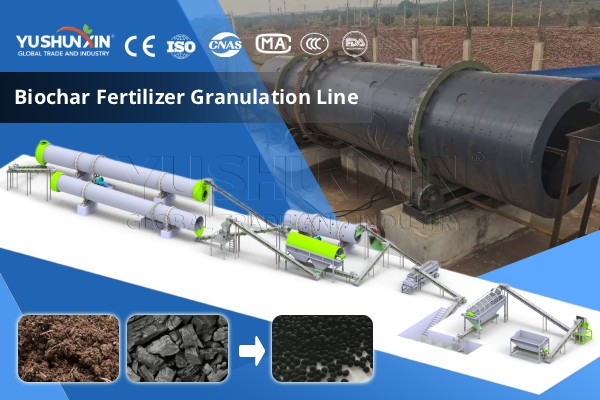
A complete biochar fertilizer processing plant usually integrates material crushing, mixing, moisture adjustment, granulation, drying, screening, and packaging systems.

According to the general concept of Biochar, biochar is a carbon-rich material produced from biomass through thermal conversion processes and is widely studied for soil improvement applications.

biochar fertilizer granulation line

biochar fertilizer granulation line

Understand the Char-Based Fertilizer Granulation Process

The char based fertilizer granulation process focuses on combining biochar with compost and other organic ingredients to form stable fertilizer particles.

A typical process includes:

  • Raw material crushing and preparation;
  • Biochar and compost mixing;
  • Moisture adjustment;
  • Granulation;
  • Drying and cooling;
  • Screening and final packaging.

During granulation, the equipment controls particle formation by adjusting moisture, material ratio, and mechanical force. This helps produce fertilizer pellets with consistent size and better handling performance.

Select the Right Equipment Configuration

Different projects require different equipment combinations. Small producers may need a simple granulation system, while industrial projects require continuous production equipment with higher automation.

The main equipment may include:

  • Compost crusher;
  • Mixing machine;
  • Fertilizer granulator;
  • Rotary dryer;
  • Screening machine;
  • Automatic packing system.

The char-based fertilizer production line cost depends on factors such as production capacity, automation level, raw material conditions, equipment selection, and installation requirements.

Before investing, manufacturers should evaluate available biomass resources, target fertilizer products, production volume, and expected market demand.

Build a Sustainable Biochar Fertilizer Project

For companies developing carbon reduction and sustainable agriculture projects, biochar fertilizer production can connect waste utilization with agricultural applications.

Large-scale projects require more than individual machines. They need process design, equipment integration, installation support, and technical guidance.

For more information about biochar fertilizer production solutions, learn more here

A complete project approach can help investors develop efficient fertilizer production systems while supporting carbon management goals. For example, turnkey project solutions for forest CDR in Canada combine biomass resource utilization with carbon removal strategies.

Conclusion

Producing biochar fertilizer pellets requires a well-planned combination of raw material preparation, compost processing, granulation technology, and equipment selection.

With a suitable industrial compost granulation system, biochar producers can convert carbon-rich materials into valuable fertilizer products while supporting sustainable agriculture and biomass resource management. https://www.granulatedcompostsolutions.com/product/granular-biochar-compost-based-fertilizer-production/

How Much Energy Does an Industrial Vibrating Drainer Consume in a Continuous Food Production Line?

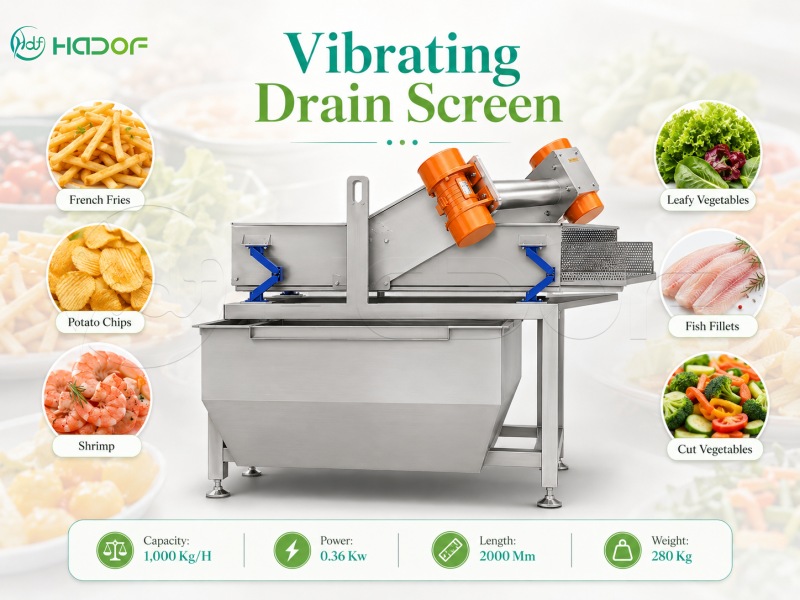
A fried snack factory, a vegetable processor, or a seafood plant that drains washed or fried product usually wants to know how much electricity the draining step adds. The industrial vibrating drainer for vegetables removes surface oil and water with a compact vibration motor, and its energy use is low enough to fit a continuous line. This article explains the power draw and the checks that keep the food processing step efficient.

industrial vibrating drainer for vegetables

How Much Power Does a Vibrating Drainer Draw?

The machine uses only about 0.36 kW of power, which keeps the electricity cost small across a full shift. The vibrating drain screen with 0.36 kW power measures about 2,000 mm long and handles around 1,000 kg/h, so a factory gets steady draining without a heavy motor. A buyer who records this power sees the drainer as a light operating cost rather than an energy burden. This low draw is the first fact that shapes the food equipment budget.

How Does the Vibration Principle Keep Energy Use Low?

The drainer uses a vibration motor to create a regular excitation force, and the screen plate moves the product forward while oil or water passes through the openings. The stainless steel vibrating drainer for washed produce needs no pump or heater, because gravity and vibration do the separating. This simple principle removes surface liquid without the extra machinery that a spin dryer would add. A factory therefore keeps the food manufacturing energy low by choosing vibration over a powered drying step.

How Do Capacity and Material Affect the Energy Draw?

The rated 0.36 kW power stays fixed, but the real draining rate follows material type, oil content, water content, layer thickness, and vibration frequency. A light leafy product drains faster than a dense, oily snack, and a thinner layer lets the liquid pass more quickly. A plant that adjusts the vibration frequency to the product keeps the machine at its efficient point. This attention to the food handling variables keeps the energy per kilogram low.

How Does the Drainer Connect With Washing and Drying Equipment?

A drainer works best when the washed or fried product arrives on a belt and the drained product leaves directly to the next stage. The machine sits after washing or frying and feeds an air dryer for drained vegetables, a cooling conveyor, or a packaging station. A matched height and speed keep the product moving without a manual handoff. This connection turns the drainer into part of a continuous food production line rather than an isolated step.

How Should a Plant Measure Operating Cost?

Vibration based draining adds only a small motor load, so a plant measures operating cost by the power, the shift hours, and the product flow. You can review the vibrating drainer equipment manufacturer before a purchase, and that review shows the stainless steel build and the service behind it. A careful buyer records the power and the throughput together. These checks turn the food machinery decision into a clear energy figure.

Conclusion

An industrial vibrating drainer consumes only about 0.36 kW, and its vibration principle removes oil and water without a pump or heater. These choices keep the food production line’s energy use low. If you have interests, you can learn more about https://www.hadofps.com/products/vibrating-drain-screen/

How Much Does an Automatic Fertilizer Packing Machine Cost for a Mineral Fertilizer Plant?

Mineral fertilizer plant owners often compare an automatic fertilizer packing machine before they set up a bagging section. The cost depends on bag weight range, packing speed, weighing accuracy, and the number of supporting conveyors. Phosphate rock, limestone, dolomite, and potassium feldspar require a packing system that controls dust and fills bags with stable weight. When you evaluate the fertilizer packing machine, you match the scale, sewing unit, and conveyor to the mineral fertilizer output.

fertilizer packing machine

fertilizer packing machine

Which fertilizer packing machine system suits mineral fertilizer granules?

A fertilizer packing machine system suits mineral fertilizer granules with a buffer silo, a digital weighing scale, a bag clamp, and a sewing unit. You can fill 20 kg to 50 kg bags and move them along a belt conveyor to the palletizing area. This arrangement reduces dust and keeps the fertilizer manufacturing process stable.

How does a fertilizer packing machine line connect drying and screening?

A fertilizer packing machine line connects drying and screening by receiving the finished granules after the rotary dryer and the screening machine. Mineral fertilizer granulation technology helps you place the packing scale close to the product bin, so the mineral fertilizer processing plant avoids long transfer paths. This layout lowers dust and protects the fertilizer equipment.

Which cost factors should a mineral fertilizer plant review before ordering?

Bag size, packing speed, and automation level are cost factors that a mineral fertilizer plant should review before ordering. You can compare the general definitions for mineral fertilizer when you set the product specification. A single-bucket scale suits a small plant, while a full automatic line supports high output. This review helps you keep the fertilizer production investment predictable.

Which auxiliary equipment improves packing accuracy and speed?

A buffer hopper, a digital scale, and a bag sewing machine improve packing accuracy and speed. You can add a conveyor with adjustable height and a palletizer for larger output. This equipment combination reduces manual handling and keeps the fertilizer manufacturing system ready for storage and transport.

How does a fertilizer packing machine reduce dust during mineral fertilizer bagging?

A fertilizer packing machine reduces dust during mineral fertilizer bagging with a sealed weighing hopper and a controlled bag clamp. You can connect the scale to a buffer silo so the granules drop directly into the bag without open transfer. A dust collection hood near the filling point captures fine particles. This design protects workers and keeps the mineral fertilizer processing plant clean during continuous packing.

To summarize, an automatic fertilizer packing machine cost depends on bag range, speed, weighing accuracy, and auxiliary conveyors. This planning also helps your team reduce bag rejection and improve shipment accuracy. You can scale the packing line as output grows. The system also simplifies daily cleaning and keeps the packing area efficient. You can match the packing line to the mineral fertilizer granulation output. A mineral fertilizer equipment manufacturer can help you configure the packing section. Yushunxin provides this fertilizer bagging equipment. If you have interests, you can learn more about https://www.mineralfertilizerproductionsolutions.com/product/fertilizer-bagging-machine

How Does an Ore Crushing Machine Reduce Size for Mineral Fertilizer Granulation?

Mineral fertilizer plants use ore crushing machines to break large rock into smaller particles before grinding and granulation. Phosphate rock, limestone, dolomite, and potassium feldspar enter the crusher as lumps and leave as a finer material for the ball mill. When you select ore crushing machines, you match the feed size, output size, and capacity to the downstream fertilizer equipment.

ore crushing machines

ore crushing machines

Which ore crushing machines system prepares mineral powder for granulation?

An ore crushing machines system prepares mineral powder for granulation by reducing the raw ore in stages. You can use a jaw crusher for primary breaking and a Raymond mill for fine grinding before the material reaches the mixer. The pan granulator then forms the powder into round pellets with water or a binder. This staged size reduction protects the fertilizer machinery and keeps the mineral fertilizer manufacturing process smooth.

How does an ore crushing machines line connect crushing, grinding, and granulation?

An ore crushing machines line connects crushing, grinding, and granulation by moving the material from the crusher to the ball mill and then to the pan granulator. Mineral fertilizer granulation technology helps you set the powder mesh and moisture so the pellets form with a high granulation rate. A rotary dryer then stabilizes the granules before screening and packing. This sequence reduces dust and keeps the fertilizer processing plant efficient.

Which particle size range improves mineral fertilizer granulation?

A fine and uniform particle size range improves mineral fertilizer granulation because smaller particles bind more easily in the pan granulator. You can grind phosphate rock or potassium feldspar to a consistent mesh before mixing. You can compare these size requirements with the general definitions for mineral fertilizer when you set the production standard. This preparation lowers energy use in the ball mill and improves pellet strength.

Which crusher type suits different ore hardness and production capacity?

A jaw crusher suits hard rock, while a Raymond mill handles softer or medium ore and produces fine powder. You can choose a high-capacity crusher for continuous mineral fertilizer manufacturing or a compact unit for a smaller workshop. This selection helps you balance fertilizer production investment and keeps the fertilizer granulation line running at a steady load.

How does an ore crushing machine reduce energy use before mineral fertilizer granulation?

An ore crushing machine reduces energy use before mineral fertilizer granulation by delivering a smaller and more uniform particle size to the ball mill. When the crusher breaks large rocks first, the mill grinds less coarse material and uses less power. You can then feed the fine powder to the pan granulator with less rework. This staged size reduction improves the fertilizer manufacturing process and lowers the overall fertilizer production investment in grinding equipment.

To summarize, an ore crushing machine reduces mineral size through staged crushing and grinding before granulation. You can combine the crusher with a ball mill, pan granulator, rotary dryer, and screening machine in one fertilizer manufacturing system. A mineral fertilizer equipment manufacturer can help you choose the right crushing line. Yushunxin supplies this ore crushing equipment for mineral fertilizer producers. If you have interests, you can learn more about https://www.mineralfertilizerproductionsolutions.com/product/ore-fertilizer-crusher-machine

Сколько времени занимает ферментация куриного помета?

Производство удобрений объединяет выбор сырья, технологического оборудования и организации линии гранулирования. Производитель удобрений оценивает производственную задачу, сравнивает оборудование для производства удобрений и определяет состав технологической линии. Материалы страницы «Куриный помёт как удобрение — линия переработки» помогают рассмотреть тему «Сколько времени занимает ферментация куриного помета» с точки зрения завода, который планирует стабильный выпуск продукции. Сколько времени занимает ферментация куриного помета позволяет заказчику производственной линии сопоставить комплектацию, мощность и технологические решения до начала проекта.

Сколько времени занимает ферментация куриного помета? — производственное оборудование
Оборудование для производства удобрений в составе технологической линии

Как выбрать оборудование для сколько времени занимает ферментация куриного помета?

Предприятие сравнивает оборудование для производства удобрений, потому что гранулятор, смеситель, сушилка и дробилка должны работать в одной технологической линии. Производитель NPK учитывает производительность, влажность сырья и требуемый размер гранул. Инвестор оценивает затраты на производство удобрений и срок запуска завода по производству удобрений. Технологическая линия для производства удобрений подбирается по мощности, составу сырья и конечной формуле продукции. Материал страницы «Куриный помёт как удобрение — линия переработки» показывает, какие параметры важны при выборе основного оборудования. оборудование для сколько времени занимает ферментация куриного помета позволяет сопоставить модель с технологической задачей. Связанная страница «Оборудование для производства удобрений — подбор и поставка» уточняет, как отдельные машины интегрируются в общую систему переработки удобрений. Заказчик производственной линии сравнивает барабанную, дисковую и валковую грануляцию для конкретного сырья.

Какие технические параметры учитывает производитель удобрений?

Завод анализирует технологический процесс производства удобрений, поэтому учитывает производительность, потребляемую мощность, влажность и размер частиц. Производитель удобрений проверяет, какие параметры подтверждены для линии производства удобрений, и не переносит характеристики одной модели на другую. Инвестор проекта удобрений оценивает капитальные расходы, бюджет проекта и стоимость запуска. Производственная компания определяет, как оборудование для обработки удобрений влияет на качество готового продукта. Данные страницы «Куриный помёт как удобрение — линия переработки» используются как основа для сравнения комплектации. подробная информация о производственной линии — для органических удобрений даёт дополнительные сведения о возможных вариантах конфигурации. Управление производством удобрений становится точнее, когда каждый технологический узел соответствует характеристикам сырья и целевой мощности.

Как связанное оборудование влияет на технологическую линию?

Связанное оборудование для производства удобрений дополняет основную линию гранулирования. Производитель удобрений добавляет дробилку, смеситель, сушилку или грохот в зависимости от сырья и конечной формулы. Технология производства удобрений требует согласованной работы нескольких машин, поэтому завод проверяет производительность каждого узла. связанное оборудование для производства удобрений — для переработки сырья рассматривается в контексте линии гранулирования. Страница «Оборудование для производства удобрений — подбор и поставка» помогает понять, как связанное оборудование включается в производственную линию. Предприятие сравнивает варианты конфигурации линии и рассчитывает резерв мощности. Инвестор проекта учитывает, что правильный подбор вспомогательного оборудования снижает простои и повышает стабильность производства комплексных удобрений.

Как производитель линий формирует комплектацию завода?

Производитель линий для производства удобрений формирует комплектацию завода на основе производственной задачи. Завод по переработке удобрений оценивает сырьё, мощность и доступную площадь. производитель линий для производства удобрений — для органических удобрений представляет направления оборудования и технологических решений. Страница «Линии и оборудование для производства удобрений — Shunxin» даёт общее представление о направлениях оборудования и технологических решениях. Производственная компания сравнивает линии для органических и минеральных удобрений, а также системы гранулирования NPK. Инвестор учитывает, что комплекс оборудования должен быть согласован по производительности, управлению и обслуживанию. Такой подход помогает заказчику производственной линии перейти от отдельного станка к полноценному заводу по производству удобрений.

Какие сведения подтверждают выбор технологии?

Дополнительные справочные сведения о сырье и процессе помогают производителю удобрений проверить технологию гранулирования. Завод анализирует физические свойства материала, условия сушки и требования к конечному продукту. Инвестор проекта сравнивает разные технологии производства удобрений и учитывает особенности исходного сырья. органические удобрения — для переработки сырья даёт справочное описание материала или процесса. Производственная компания использует справочные данные для подготовки технического задания на линию. Такие сведения дополняют описание оборудования и позволяют точнее определить параметры производства удобрений, управления линией и контроля качества готовой продукции.

Если тема актуальна для производственного проекта, производитель удобрений может уточнить комплектацию линии у Yushunxin, а дополнительная информация доступна здесь: https://www.liniyaudobreniy.com/resheniye-kurinyy-pomet-kak-odobreniye/

What Are the Key Process Steps for an Industrial Vegetable Blancher Hot Water in Commercial Food Processing?

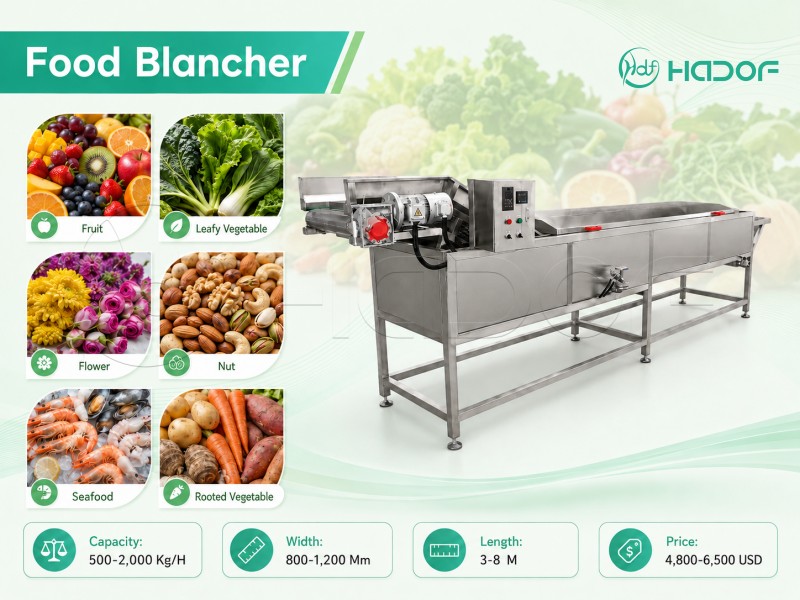
A vegetable processor, a central kitchen, or a frozen food plant that prepares leafy greens, potatoes, or mixed vegetables before freezing usually relies on a blanching stage to set color and reduce enzyme activity. The industrial vegetable blancher hot water for commercial food processing moves product through a controlled hot water bath and then a cooling section, and the order of those steps decides the final texture and safety. This article explains the process steps, the temperature control, and the connections that keep a food processing system stable.

industrial vegetable blancher hot water

Which Process Steps Does an Industrial Vegetable Blancher Follow?

A complete blanching workflow usually follows feeding, washing, blanching, cooling, draining, and freezing preparation, and each step moves the product one stage closer to packing. The continuous food blancher machine with PLC temperature control receives washed vegetables, holds them in hot water for a set time, and then drops their temperature quickly in a cooling section. Overflow filtration systems remove loose particles during the food treatment, and dewatering conveyors or quick freezing machinery often follow the blanching stage. A factory that keeps this sequence in order avoids a hot product sitting too long before cooling.

How Does Hot Water Temperature Control Affect Vegetable Quality?

Temperature control decides how much the blanching step changes the product, and the machine holds water between about 80 and 100 degrees Celsius with intelligent sensors. The hot water blancher for vegetables and seafood processing uses a circulation system to spread heat evenly, so leafy greens, potato strips, and seafood receive a uniform thermal treatment instead of uneven cooking. Insulation layers around the tank also reduce energy loss during long runs. Stable temperature therefore protects both color and texture, which are the qualities a buyer checks most closely after freezing.

How Does the Blancher Connect With Washing, Cutting, and Cooling Equipment?

A blancher never works alone, because the machines before and after it set the pace and the moisture level. Customers usually connect the blancher with a washing machine, a cutting machine, and air drying equipment, and the full food processing system then moves product without manual transfer. Each handoff needs a matched belt height and speed, and a cooling section quickly lowers the product temperature after blanching. A smooth connection prevents the pile-ups that leave one batch overcooked while another waits. This layout choice therefore protects the food manufacturing flow across the whole line.

How Does the Cooling Section Prepare Vegetables for Freezing?

After hot water blanching, the product must cool quickly, because a long warm hold lets enzyme activity and texture loss continue. The cooling section reduces temperature before the vegetables move to draining and freezing, and the line then feeds an air dryer after blanching for vegetable lines or a quick freezer. A chilled, drained product freezes with less clumping and keeps a cleaner surface. This cooling step therefore belongs in every frozen vegetable line, and a buyer who skips it risks quality that shows up only after thawing.

How Should a Food Factory Choose Heating and Belt Configuration?

Blanching vegetables works best when the heating method and the belt fit the product and the floor. The machine supports steam, electric, or gas heating, and its conveyor offers 800 mm, 1,000 mm, or 1,200 mm belt widths with effective lengths of 3 m, 5 m, or 8 m. You can review the vegetable blanching equipment manufacturer before a purchase, because the supplier helps a buyer match the blanching length to the raw material. A careful configuration keeps the food equipment productive without oversized energy use.

Conclusion

An industrial vegetable blancher follows feeding, washing, blanching, cooling, draining, and freezing preparation, and the hot water temperature, the cooling section, and the line connections all shape the final quality. A buyer who maps these steps keeps the process safe and repeatable. If you have interests, you can learn more about https://www.hadofps.com/products/food-blancher/

NPK Blending Fertilizer Production Line Layout Design

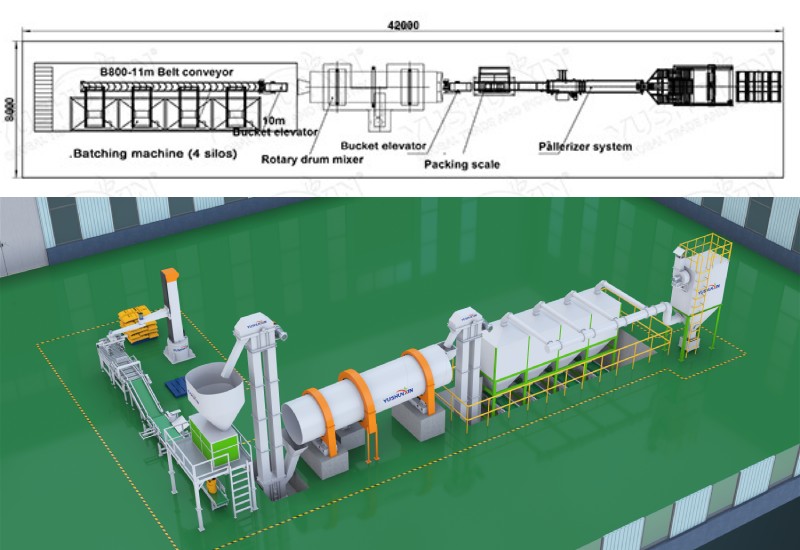
A proper factory layout is an important part of building an efficient fertilizer production project. When planning an npk blending fertilizer production line, investors need to consider raw material storage, production flow, equipment arrangement, packaging area, and future expansion. A well-designed layout can reduce material handling distance, improve production efficiency, and create a safer working environment.

Plan the Layout According to Material Flow and Production Process

The first step in fertilizer plant layout design is organizing a smooth material flow. Raw materials should move logically from storage to crushing, screening, batching, mixing, and final packaging.

A typical NPK blending process includes raw material feeding, precise weighing, blending, and automatic packing. Therefore, the layout should avoid unnecessary transportation routes and ensure each production section connects efficiently.

For large fertilizer projects, an npk bulk blended fertilizer plant layout usually includes several functional zones:

  • Raw material warehouse;
  • Automatic batching area;
  • Fertilizer blending section;
  • Finished product storage;
  • Packaging and loading area.

A reasonable arrangement helps operators manage production more easily and also provides better conditions for maintenance.

30TPH blend NPK fertilizer production plant design

30TPH blend NPK fertilizer production plant design

Consider Space Requirements for Equipment Installation

The available factory area directly affects equipment selection and layout planning. Before designing a fertilizer blending facility, investors need to confirm the building dimensions, material storage requirements, and production capacity.

A complete fertilizer blending facility should reserve enough space for equipment operation, inspection, and future upgrades.

Important layout considerations include:

  • Sufficient distance between machines for maintenance;
  • Clear transportation routes for forklifts and trucks;
  • Separate storage areas for different raw materials;
  • Proper ventilation and dust collection arrangements.

For NPK fertilizer production, accurate batching is especially important because different nutrient formulas require precise ingredient ratios. The concept of International Fertilizer Association highlights the importance of fertilizer production efficiency and nutrient management in modern agriculture.

Balance Investment and Production Capacity

Factory layout also influences the overall project investment. A compact design can reduce construction costs, while a flexible layout allows easier expansion when market demand increases.

The NPK bb fertilizer manufacturing plant investmnet depends on many factors, including production capacity, automation level, equipment configuration, and factory conditions.

For example, a small fertilizer blending plant may focus on simple operation and lower initial investment. However, an industrial project may require automatic batching systems, multiple packaging lines, and advanced control systems to improve long-term production efficiency.

Case Reference: 15TPH NPK Blending Project in Sri Lanka

Different markets require different layout solutions according to local raw materials, product requirements, and business goals.

The 15tph npk blend fertilizer production solution in Sri Lanka shows how a fertilizer project can be planned according to production capacity and customer requirements. Through reasonable equipment arrangement, the project can achieve stable blending, efficient packaging, and convenient operation.

Before starting a fertilizer plant project, investors can prepare information about raw materials, expected output, factory dimensions, fertilizer formulas, and automation requirements. Engineers can then provide a more suitable layout and equipment configuration.

More details about NPK fertilizer blending solutions:

https://www.mixedfertilizermachines.com/products/npk-fertilizer-blending-plant/

Conclusion

NPK blending fertilizer production line layout design is not only about placing machines inside a factory. It requires comprehensive planning of material flow, production efficiency, equipment maintenance, and future development.

A practical layout helps fertilizer manufacturers improve operation stability and build a production facility that matches their business goals.

What Can a 50㎡ Industrial Freeze Dryer Add to a Growing Food Factory?

A growing food factory usually reaches the same turning point: orders keep arriving, but the pilot freeze dryer finishes only a few trays at a time. Sales promise larger volumes, yet the drying room cannot keep pace. At this stage, a 50㎡ industrial freeze dryer changes what the factory can commit to — and how smoothly each working day runs.

50㎡ Food Freeze Dry Machine for Sale

50㎡ Food Freeze Dry Machine for Sale

From Sample Batches to Sellable Output

A pilot machine proves the recipe. A 50㎡ machine feeds the market. With roughly fifty square meters of shelf area, you gain enough tray surface to turn validated products into commercial quantities of freeze-dried fruit, vegetables, instant meals, pet food, or coffee. The jump in shelf area shortens the queue of waiting batches and lets the sales team quote realistic delivery dates instead of vague promises.

The extra area also supports batch organization. Your team can dry one large order across a single cycle or split the load between two product types, as long as the recipes share compatible process settings. That flexibility matters when buyers want mixed containers or seasonal SKUs.

Steady Rhythm Between Pre-Freezing and Drying

A freeze-drying line moves at the speed of its slowest stage. Fresh product must freeze completely before trays enter the vacuum chamber, so the pre-freezing step decides whether the dryer waits idle or runs back-to-back. Factories that pair the 50㎡ dryer with an industrial tunnel freezing machine build a steady handover rhythm: the tunnel releases frozen trays continuously, and the dryer receives them without temperature breaks.

This coordination brings three practical gains:

  • Fewer thermal shocks.Product moves from deep-freeze conditions straight into the vacuum chamber, so ice crystals stay controlled and texture holds.
  • Higher equipment utilization.The dryer starts each cycle on time instead of waiting for a batch freezer to catch up.
  • Predictable shift planning.Operators know when loading, drying, and unloading happen, so one team can run the whole flow without overtime chaos.

Room to Coordinate the Whole Line

A 50㎡ dryer rarely works alone in a growing factory. Upstream, washing, cutting, and dewatering equipment prepare the raw material; downstream, packing machines seal the fragile dried product before moisture in the air undoes the work. Hadof builds these connections into complete freeze dryer production lines, matching conveyor speeds, tray trolleys, and packing capacity to the drying cycle. When every stage runs at the same tempo, the factory avoids the classic bottleneck pattern — one machine queued behind another.

For factories that already see demand beyond the 50㎡ class, the same platform logic scales up. The 100㎡ freeze drying equipment follows the same shelf-and-cart structure, so production know-how transfers directly when the next expansion arrives. Planning the layout with that step in mind keeps future installation simple.

What This Means for Daily Operation

In practical terms, a 50㎡ unit gives a growing factory:

  1. Commercial batch sizes— enough dried output per cycle to serve distributors and retail chains, not just samples.
  2. Reliable cycle rhythm— pre-freezing, drying, and packing stages interlock instead of competing for space and staff.
  3. Product range headroom— the shelf area handles bulky vegetables, delicate fruit slices, and high-value powders with adjusted loading thickness.
  4. A clear upgrade path— the same workflow extends to 100㎡ or 200㎡ equipment when volume demands it.

A Production Line Matched to Your Conditions

Hadof does not push a fixed model onto every buyer. The team designs the drying solution around your raw material, target output, and available factory area, then adds the pre-freezing, conveying, and packing equipment that completes the line. Whether you need a single 50㎡ food freeze drying machine for sale or a full turnkey project, the proposal starts from your production reality.

If you want a customized solution for your factory, visit the Hadof freeze dryer homepage: Freezehadof freeze dryer homepage — https://www.freezehadof.com/

hadof freeze dryer factory

hadof freeze dryer factory


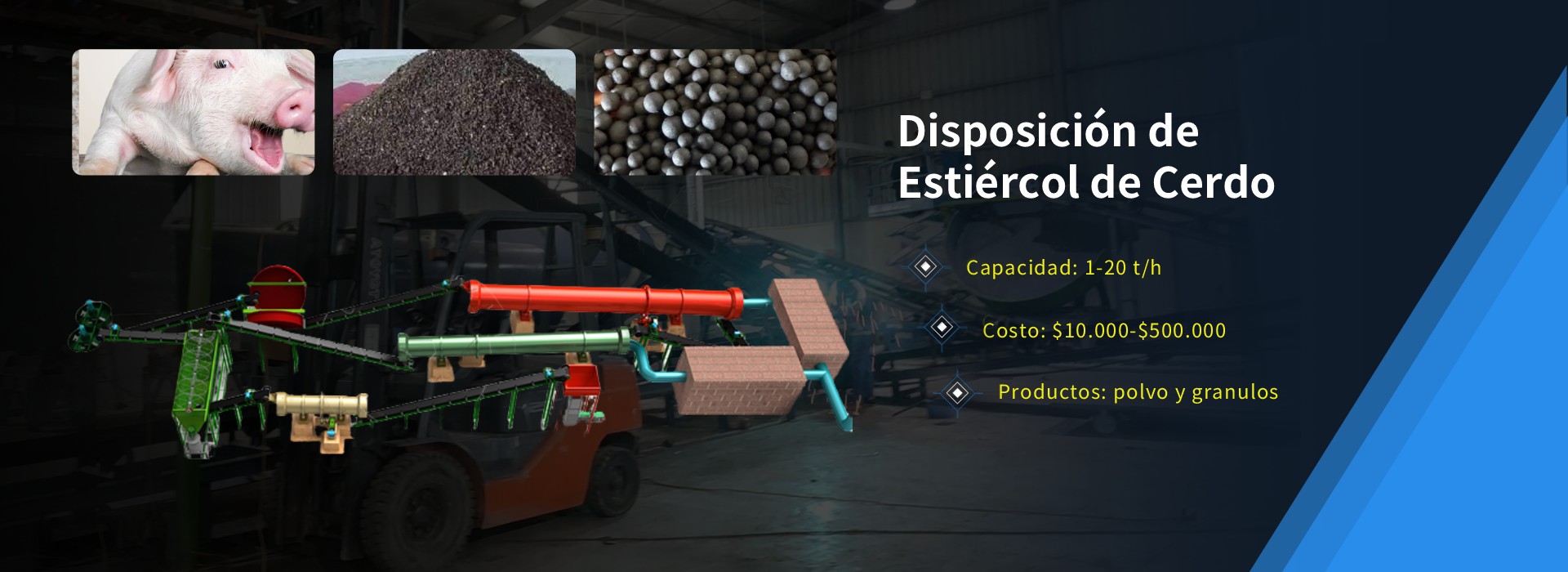
Diseño de una planta de fertilizante porcino en polvo o granulado

La rentabilidad de una planta porcina depende de convertir un residuo variable en un producto estable y vendible. Un proyecto de tratamiento industrial de estiércol porcino comienza midiendo la humedad, el volumen diario y el espacio disponible. Después puede definir la deshidratación, el compostaje y el acabado comercial adecuados.

¿Qué humedad tiene el estiércol al entrar?

El estiércol fresco suele contener heces, orina y agua de limpieza. La página de solución propone un separador de pantalla inclinada cuando la humedad supera el 90 %. Para materiales con menos agua, presenta un deshidratador de tornillo capaz de reducir la humedad aproximadamente al 30 %, según las condiciones del material.

Los sólidos separados pueden mezclarse con paja, cascarilla de arroz u otra fuente de carbono antes del compostaje. Analizar una muestra real ayuda a dimensionar el separador y calcular la cantidad de material seco necesaria.

¿Cuándo conviene producir fertilizante en polvo?

Una planta de fertilizante porcino en polvo utiliza compost maduro y añade alimentación, mezcla, trituración, cribado, transporte y envasado. Esta ruta resulta práctica cuando el mercado acepta abono fino y el proyecto busca una configuración corta.

La página sitúa esta opción entre 35.000 y 90.000 dólares, con un área orientativa de 800 a 5.000 m². La capacidad, el sistema de compostaje, la automatización y la obra civil determinan el presupuesto final.

¿Cuándo aporta valor la granulación?

estiércol de cerdo como fertilizante

estiércol de cerdo como fertilizante

Una línea granular de estiércol porcino incorpora granulación, cribado de pellets, retorno de material fuera de especificación, secado, enfriamiento y envasado granular. El granulador de disco indicado en la página procesa de 1 a 6 t/h y tiene un precio orientativo de 1.000 a 16.000 dólares.

Para la línea completa, la referencia publicada es de 110.000 a 550.000 dólares y de 2.000 a 10.000 m². La inversión para la eliminación de residuos porcinos cambia con el diámetro del pellet, la humedad final y los equipos auxiliares seleccionados.

¿Cómo mantener estable el compostaje?

El compostaje rápido de residuos orgánicos requiere controlar la relación carbono-nitrógeno, la humedad, la temperatura y el volteo. La guía relacionada utiliza como referencias una relación C:N de 25:1 a 30:1, humedad del 40 % al 60 % y volteo regular para aportar oxígeno.

¿Qué información necesita el proveedor?

Para preparar un Diseño de planta de fertilizante con estiércol porcino, envíe:

  • Número de cerdos y estiércol diario
  • Humedad inicial y método de recolección
  • Producto final en polvo o granulado
  • Capacidad horaria y horas de trabajo
  • Área, voltaje y nivel de automatización
  • Tamaño de bolsa y mercado previsto

Puede ver la propuesta técnica y solicitar una lista de equipos basada en sus datos:

https://es.fertilizerbusinessplan.com/productos/disposicion-de-estiercol-de-cerdo/

How Should a Food Factory Layout an Industrial Leafy Greens Processing for an Efficient Commercial Production Line?

Food factories that produce fresh-cut salads and clean vegetables need a processing line layout that moves lettuce, spinach, cabbage, and celery from sorting to packaging with fewer transfers. An industrial leafy greens processing line for commercial salad production connects cutting, washing, draining, dehydration, and packing in one continuous flow, and this layout supports central kitchens, supermarket suppliers, and ready-to-eat salad manufacturers. This article explains the key layout decisions and how each stage supports efficient food production.

industrial leafy greens processing

How Should a Food Factory Arrange Sorting, Cutting, and Washing for Leafy Greens Processing?

Food factories arrange leafy greens processing from dry operations to wet operations and then to moisture removal and packing. Workers first sort leaves and remove roots on a manual sorting table, and a leafy vegetable cutting machine cuts the leaves into target sizes. The cut vegetables then move into a vortex washing machine, and this water flow removes sand, soil, and broken leaf pieces without damaging soft leaves. This dry-to-wet sequence reduces contamination transfer and keeps food preparation flow clear and measurable.

How Does Moisture Control Affect Leafy Salad Quality and Shelf Life in Food Processing?

Moisture control directly affects leafy salad quality and shelf life, so food factories place dewatering and drying equipment after washing. A vibrating drainer removes surface water, and a centrifugal dehydrator removes remaining moisture at a controlled speed. A leafy salad processing system with washing and dewatering therefore gives salad manufacturers better moisture control before packing, and this control reduces wet spots, protects leaf texture, and extends product freshness during food production and distribution.

How Can a Food Factory Choose a Scalable Layout for a Leafy Greens Processing Line?

Food factories choose a scalable layout by keeping each processing module independent and connected by conveyors. A factory can start with sorting, cutting, washing, dewatering, and simple packing, and it can add air drying or automatic weighing when daily output grows. A fresh-cut leafy vegetable line for food factories supports this modular expansion, and you can adjust capacity from about 500 kg per hour to larger configurations. You can also combine the line with a leafy vegetable cutting machine for salad processing when the process needs adjustable cut sizes. The food processing equipment supplier provides layout design, installation support, and technical guidance for food manufacturing projects. Operators should inspect leafy vegetables before loading, because leaf tenderness affects cutting, washing, and dehydration settings.

Conclusion

In summary, a food factory layouts an industrial leafy greens processing line by arranging dry sorting, cutting, wet washing, dewatering, and packing in a logical flow. You can classify the layout by process stages, from manual sorting to automatic packaging, and you can classify the moisture-control equipment by vibrating drainer, centrifugal dehydrator, and optional air dryer. The key decisions are raw material type, daily capacity, workshop space, water management, and future expansion. When you plan a new salad processing project or upgrade an existing food production plant, this line gives your operators a stable and hygienic path from whole leaves to packaged salad. If you have interests, you can learn more about https://www.hadofps.com/solutions/leafy-salad-processing-line/

Порошковое или гранулированное удобрение из куриного помёта: что выгоднее производить

Птицефабрика или завод органических удобрений может продавать подготовленный компост в порошковой форме либо направлять его на формирование товарных гранул. Для второго варианта гранулятор куриного помёта для выпуска товарных органических гранул становится ключевым участком, однако экономический результат зависит от всей технологической цепочки. Предприятие должно сопоставить свойства сырья, рынок сбыта, упаковку, площадь и fertilizer production process, потому что порошковая и гранулированная схемы создают разный состав оборудования и разную структуру затрат.

Оборудование-для-грануляции-органических-удобрений-из-куриного-помета

Оборудование-для-грануляции-органических-удобрений-из-куриного-помета

Когда порошковое удобрение из куриного помёта даёт предприятию более простую производственную модель?

Порошковая схема подходит хозяйству, которое хочет выпускать стабилизированный органический продукт с минимальным количеством финишных операций. Предприятие сначала проводит компостирование, затем дробилка уменьшает крупные комки, а грохот формирует более однородную фракцию. Такая fertilizer processing line имеет меньше основных узлов и обычно требует меньше установленной мощности, чем гранулированный вариант.

Птицефабрика должна при этом учитывать требования покупателей к пыли, плотности и удобству дозирования. Порошковый продукт может иметь более простую себестоимость производства, но он предъявляет другие требования к хранению и фасовке. Если предприятие продаёт продукт рядом с местом производства и рынок принимает порошковую форму, дополнительная грануляция не всегда создаёт достаточную коммерческую ценность.

Когда гранулированное удобрение из куриного помёта оправдывает дополнительное оборудование?

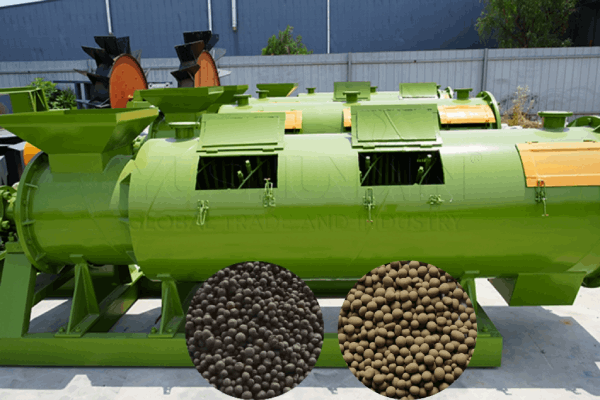
Гранулы дают производителю контролируемую товарную фракцию и упрощают механизированное обращение с продуктом. Завод получает более удобный материал для фасовки, транспортировки и дозирования, однако такая форма требует стабильного компоста. Оборудование для грануляции компоста из куриного помёта после ферментации должно получать достаточно однородное сырьё по влажности и размеру частиц.

Гранулированная схема обычно включает дробилку перед гранулятором и грохот после формования. При необходимости предприятие добавляет сушку или охлаждение в зависимости от выбранного процесса и состояния продукта. Эти 2–3 машины формируют fertilizer granulation system вокруг основного гранулятора и влияют на пропускную способность всей линии. Если дробилка подаёт материал неравномерно, гранулятор получает нестабильную нагрузку. Если грохот не справляется с потоком, завод увеличивает внутренний возврат и теряет производительность.

Как качество компоста влияет на выбор между порошковой и гранулированной схемой?

Свежий куриный помёт не подходит для прямого сравнения двух товарных форм, потому что производитель сначала должен стабилизировать органическое сырьё. Ферментация снижает нестабильность материала и создаёт более предсказуемую основу для дальнейшей обработки. Содержание влаги, размер включений и степень разложения влияют на то, насколько легко предприятие дробит, смешивает и гранулирует компост.

Гранулятор органических удобрений с мокрым перемешиванием компоста показывает отдельный вариант влажного формования для органических материалов. Инженер может сравнить такую технологию с другими способами грануляции, но он должен учитывать свойства конкретного компоста. Общий контекст даёт аэробное компостирование органических материалов, однако промышленная fertilizer treatment technology требует контроля сырья на каждой стадии.

Как сравнить инвестиции в порошковую и гранулированную линию без завышенных ожиданий?

Инвестор должен разделить fertilizer plant cost на подготовку сырья, основную обработку, финишную стадию, упаковку и инфраструктуру. Порошковая линия обычно получает преимущество по количеству машин. Гранулированная линия требует дополнительного оборудования и более точного контроля параметров, зато она создаёт другую товарную форму. Решение поэтому зависит от того, какую цену и объём продаж предприятие реально ожидает на своём рынке.

Отдел закупок также должен учитывать рабочие часы и фактический объём подготовленного компоста. Производительность гранулятора нельзя рассчитывать по массе свежего помёта до ферментации. Завод должен использовать поток материала, который реально поступает на формование. Такой подход помогает определить fertilizer manufacturing equipment без чрезмерного запаса и уменьшает риск недозагрузки дорогого участка.

Какую конфигурацию выгоднее выбрать птицефабрике с планом расширения производства?

Yushunxin может подготовить два сценария после получения данных о суточном объёме помёта, влажности, способе компостирования, плановом выпуске и требованиях покупателей. Первый сценарий может ограничиться порошковой обработкой, а второй может включать грануляцию и финишную сортировку. Покупатель может сравнить вариант грануляции для вашего хозяйства вместе с оценкой площади, энергопотребления и ожидаемого выпуска.

Порошковое удобрение снижает технологическую сложность, а гранулированное удобрение добавляет товарную форму и новые операции. Предприятие получает более рациональный fertilizer handling process тогда, когда рынок и свойства компоста оправдывают каждую дополнительную машину. Целевая страница: https://www.granulyator.com/product/granulyator-kurinogo-pometa/