
Planning a phosphate rock powder pelletizing line starts with your material, not a universal binder recipe. Your phosphate rock powder pelletizing line binder selection can connect pellet quality with dosing, drying, and operating costs. Before comparing quotations, prepare a trial brief covering the powder you actually intend to process.
Start with representative phosphate powder
For phosphate rock pellet production line feed preparation, provide samples from your normal supply rather than one unusually consistent delivery. Include particle size distribution, incoming moisture, and a recent composition analysis.
Also, identify whether you process untreated phosphate rock or a formulated mixture. Describe the intended product and request appropriate nutrient testing. Pellet appearance alone does not establish fertilizer value.
Compare binders against the finished specification
The proposed wet process may use additives such as bentonite or lignosulfonate. However, a named binder does not establish the right dose for every powder.
Ask your supplier to compare candidate binders using the same feedstock and target pellet size. Record the addition rate and its measurement basis. Then check how each addition affects composition, material costs, and subsequent processing.
Include binder preparation and metering in the equipment discussion. For liquid mixtures, clarify concentration and the water contribution before comparing consumption figures.
Control moisture through measured trials
Your phosphate powder granulation system moisture control can start with separate records for incoming water and additional liquid. During trials, adjust one variable at a time and record pellet formation, sticking, and oversized material.
Meanwhile, keep powder feed and binder dosing consistent enough to interpret the results. Request a workable moisture range for your tested formulation instead of adopting an unrelated percentage.
Discuss where operators sample material and how they respond when incoming moisture changes.
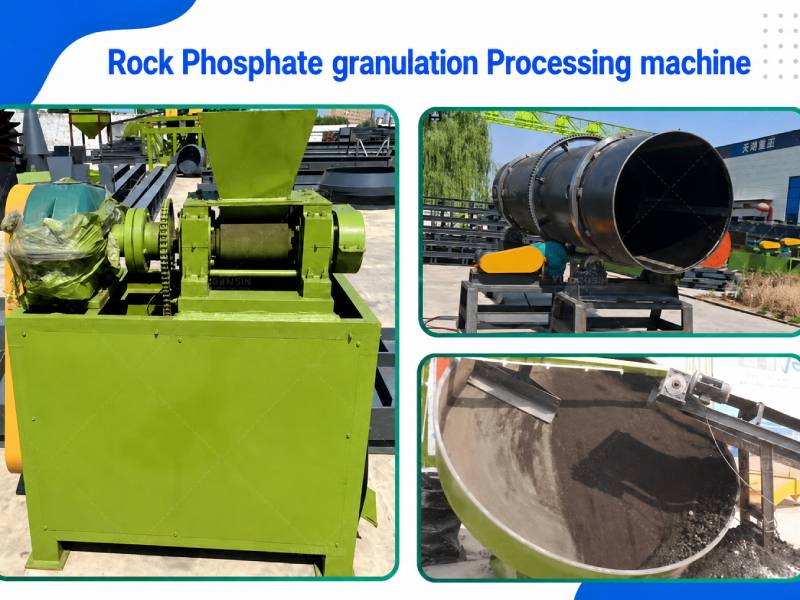
Phosphate rock granulation equipment
Test strength after drying and cooling
Include phosphate mineral pelletizing equipment strength testing at agreed stages, rather than judging only freshly formed pellets. Compare crushing resistance, abrasion, fines generation, and particle size using consistent methods.
Review rotary drying options for phosphate pellets alongside trial moisture measurements. Ask how the proposed dryer handles the required water removal and how operators monitor product condition.
After cooling, assess samples under your intended packaging and storage conditions. Record test duration and handling conditions so both teams can compare results.
Turn trial results into a purchase brief
A clear phosphate powder pelletizing plant product specification brings together size range, moisture, composition, and handling requirements. Agree on test methods and acceptance criteria before final equipment selection.
Finally, request a quotation that identifies binder dosing, mixing, granulation, drying, cooling, and screening responsibilities. Include returning material when reviewing the proposed process balance.
YUSHUNXIN presents a wet processing configuration for phosphate powder. Click here for more details as you prepare your material information.
Share your sample analysis and finished pellet requirements at https://www.granulationproject.com/product/phosphate-rock-powder-pelletzing-line/